By: Chaunte’ Causey, Communications Manager, PCC
- Most telehealth services will be limited to patients in rural areas.
- Home-based telehealth and audio-only visits will not be eligible for Medicare reimbursement.
- Certain provider types—including physical therapists, occupational therapists, speech-language pathologists, and audiologists—will no longer be able to bill for telehealth services.
- Federally Qualified Health Centers (FQHCs) and Rural Health Clinics (RHCs) will no longer be authorized to act as distant site providers for general telehealth services.
- Temporary programs such as Hospital-at-Home and virtual hospice recertification will no longer be permitted under Medicare.
- The Telehealth Coverage Act of 2025 (H.R. 2263)
- Patients may no longer be eligible to access care from home under Medicare.
- Providers in rural settings may experience changes to billing eligibility for telehealth visits.
- Existing PCC-supported programs—such as school-based telehealth, and remote patient monitoring (RPM) —may be affected by policy shifts in reimbursement or eligibility.
By: Chaunte’ Causey, Communications Manager, PCC
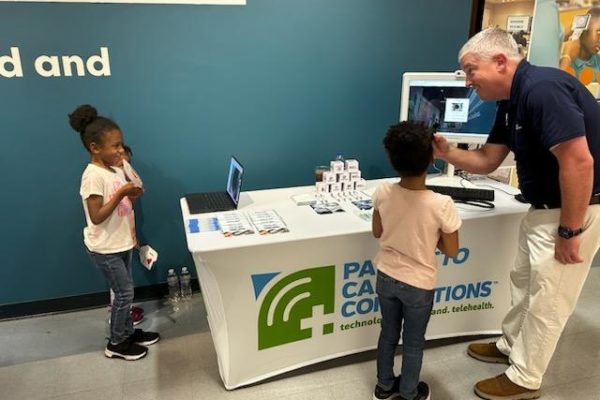
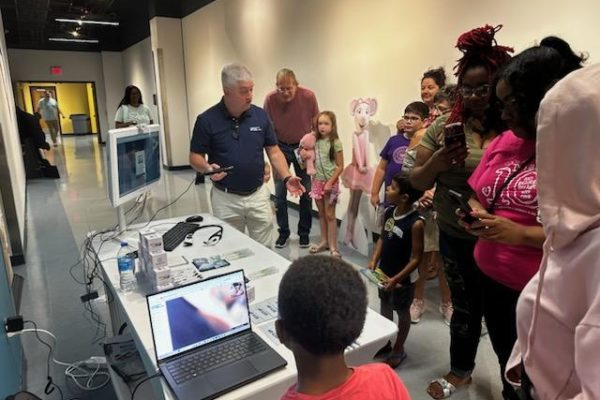
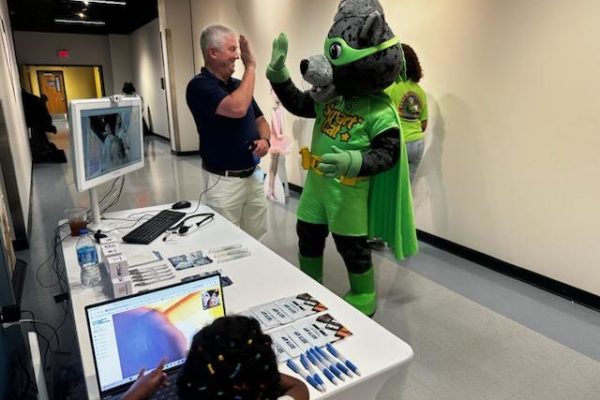
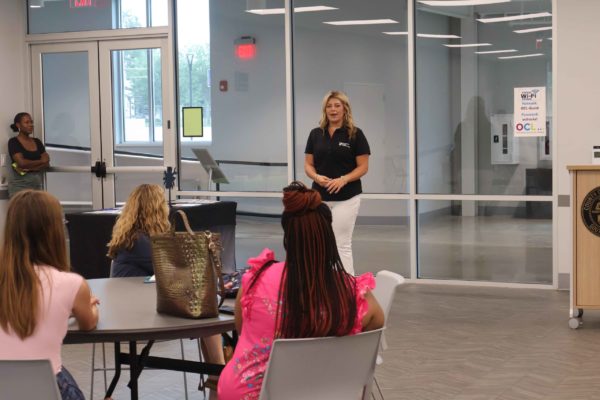
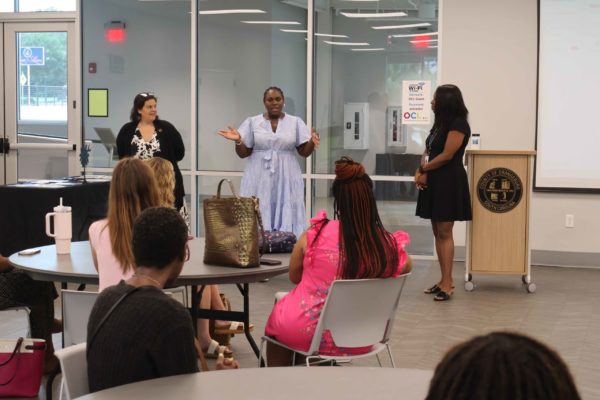
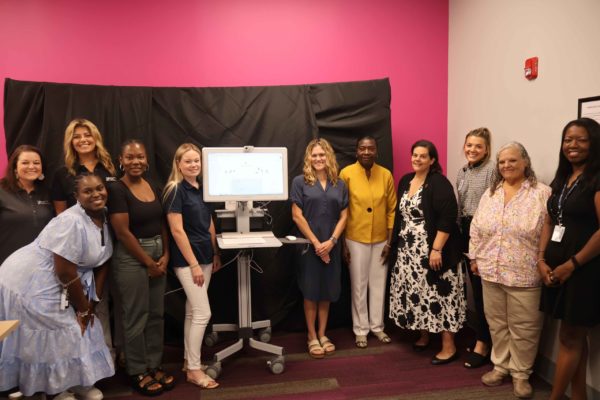
On July 26, 2025, Palmetto Care Connections participated in CTRL + ALT + CREATE, a free, family-friendly open house hosted at SCETV in Columbia. The event invited the public to explore SCETV’s educational programming through immersive and interactive exhibits, spotlighting South Carolina’s culture, history, and natural beauty.
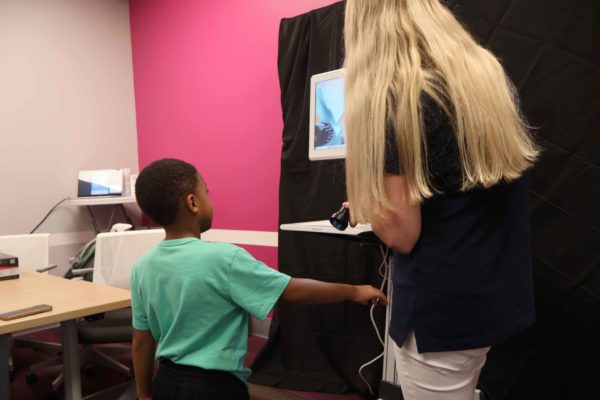
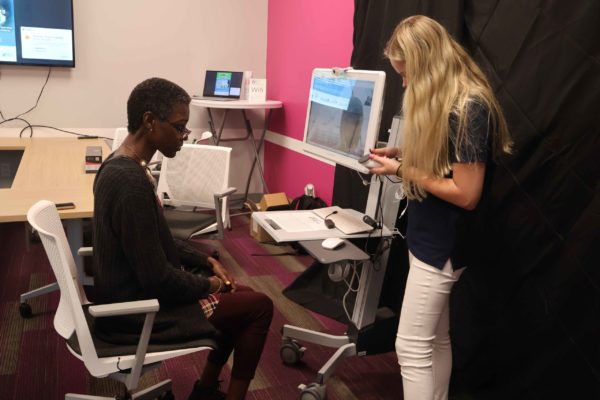
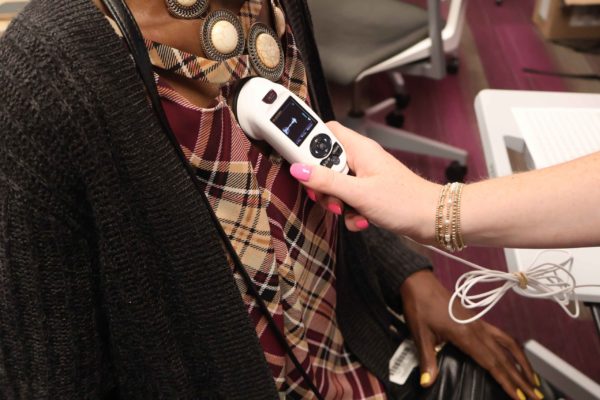
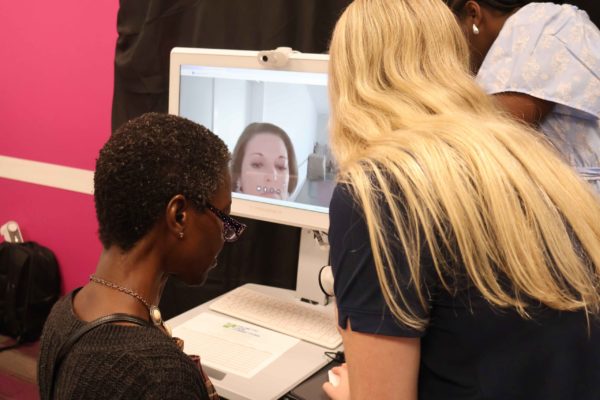
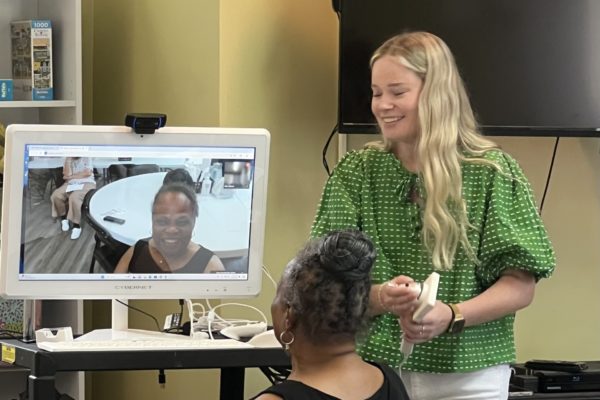
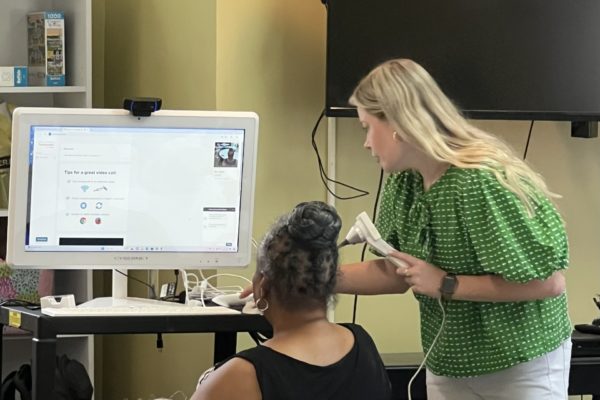
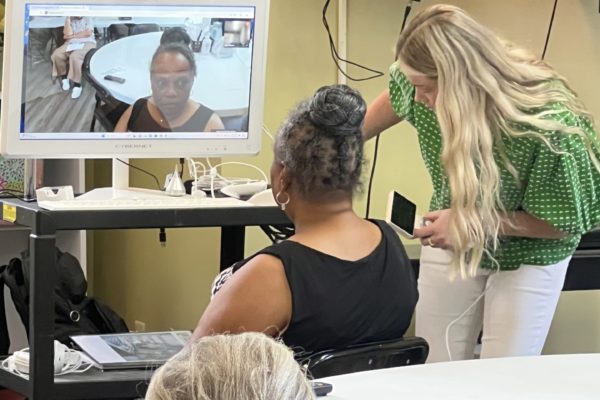
PCC’s presence added to the experience by offering families a hands-on look at how telehealth is shaping the future of accessible care across the state. Chief Technology Officer Matt Hiatt led live demonstrations, showing how virtual healthcare visits work and answering questions from curious kids and parents alike.
Many families expressed interest in how telehealth can save time and make care easier to reach—especially in rural areas. Young attendees were especially fascinated by the idea of a doctor “visiting” through a screen. It was a memorable day of connection, learning, and community outreach that highlighted the growing role of digital health tools in everyday life.
By: Chaunte’ Causey, Communications Manager, PCC
- More access, fewer hurdles – Rural patients can now connect with care more easily and affordably.
- Long-term certainty – This isn’t a temporary extension—it’s a permanent policy, giving providers and patients peace of mind.
- Better benefit options – Employers can now include telehealth in their plans without added costs to employees.
https://www.chiefhealthcareexecutive.com/view/telehealth-gets-a-win-in-trump-s-tax-package
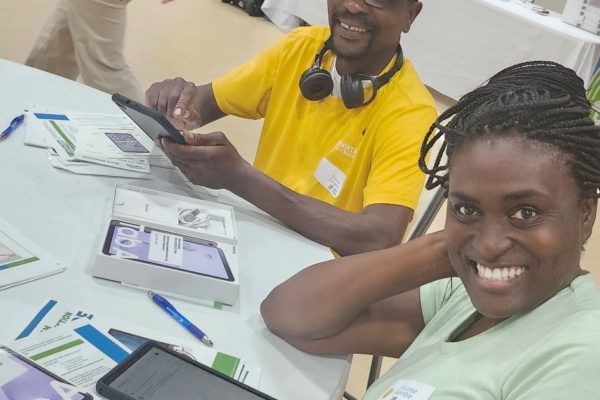
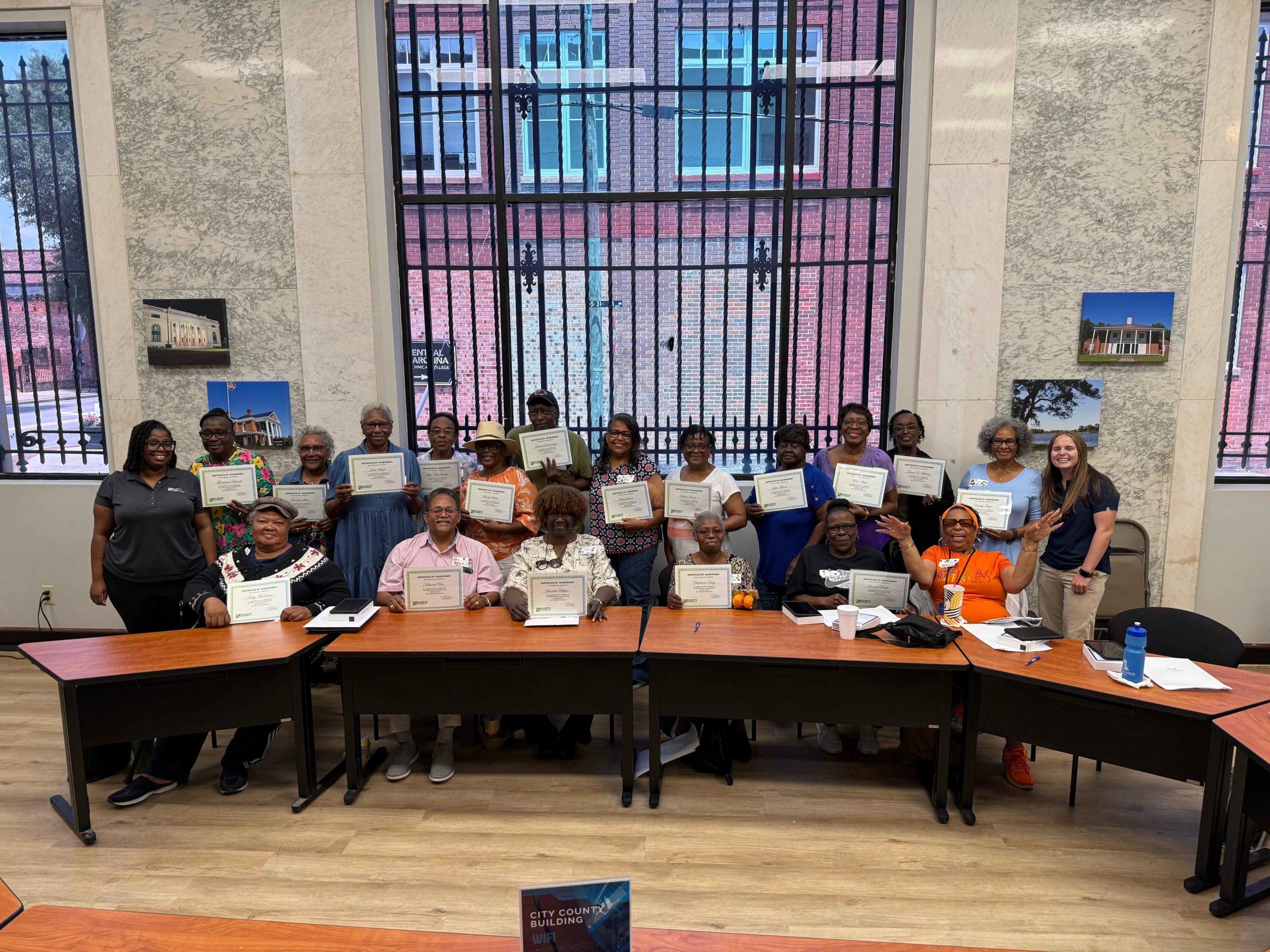
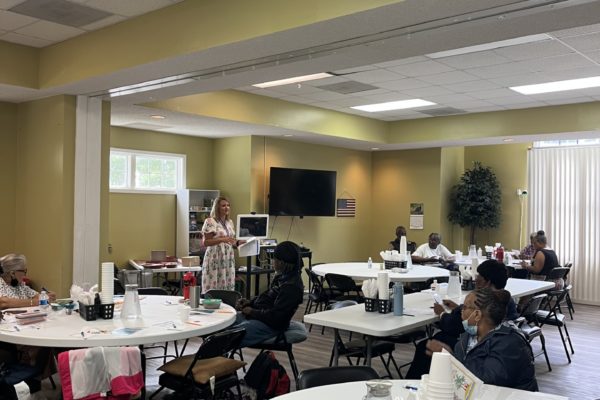
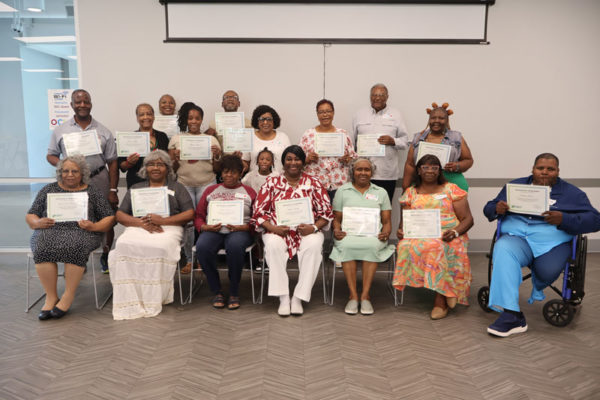
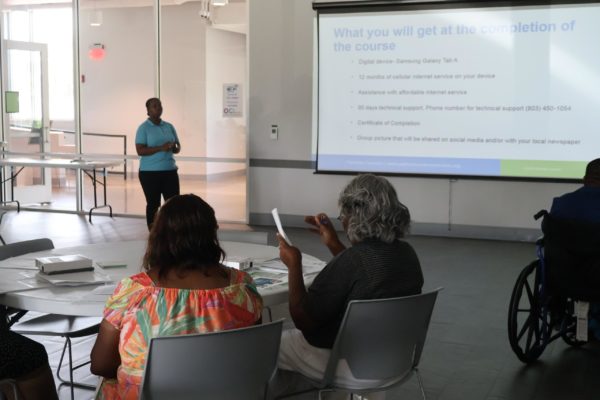
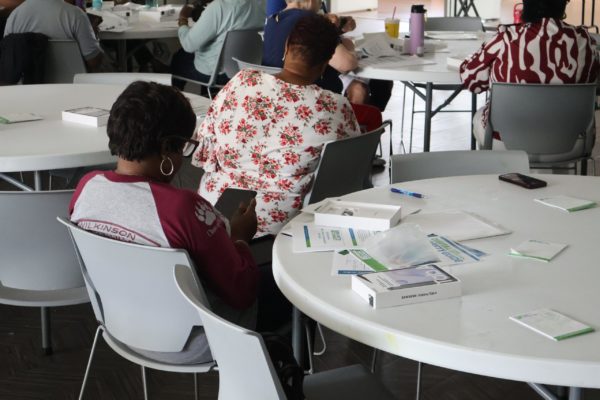
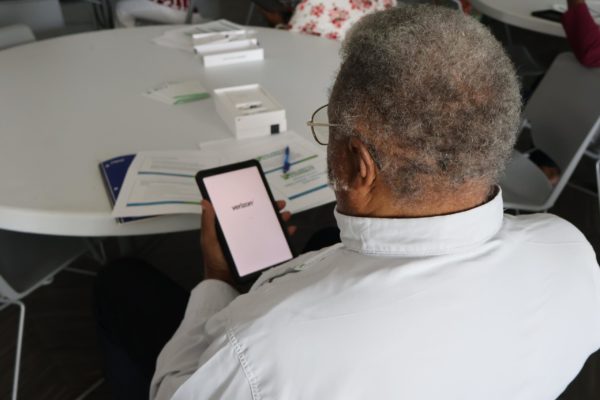
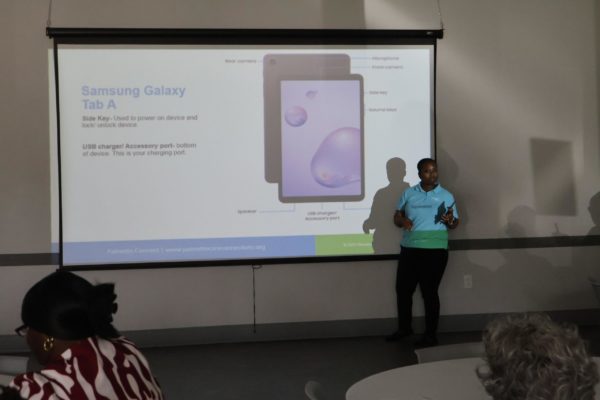
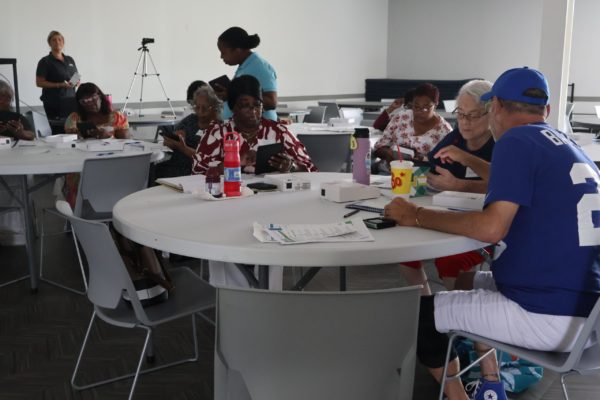
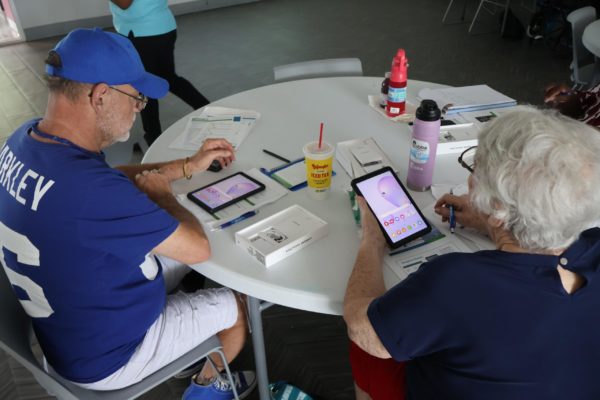
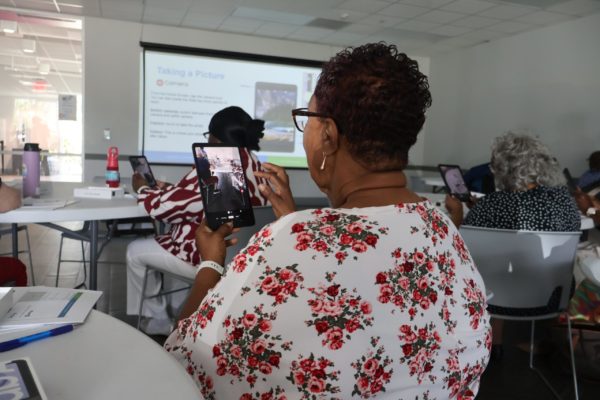
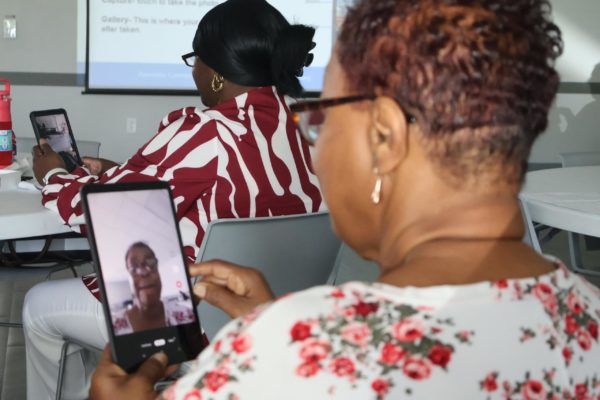
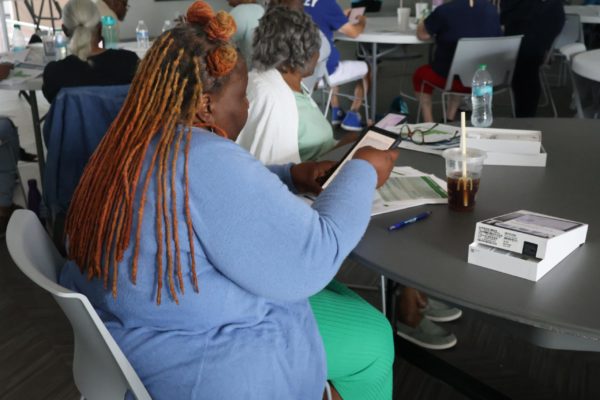
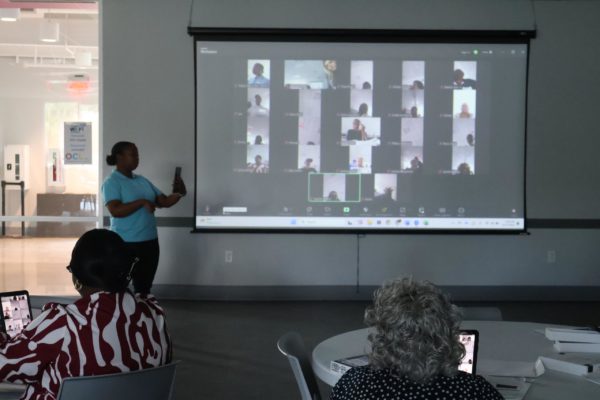
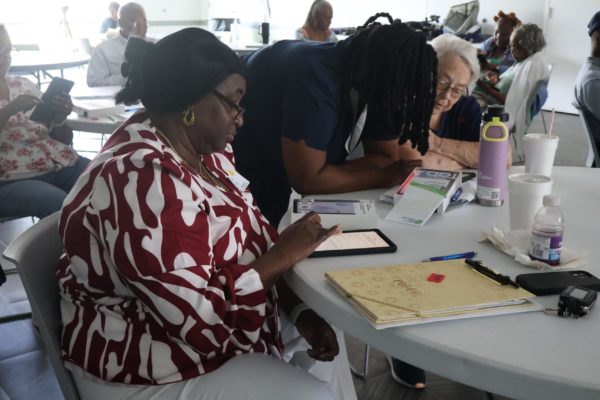
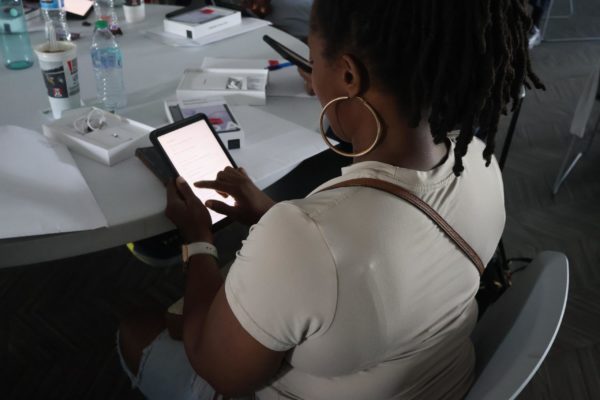
Thanks to SCTA funding, each participant received a tablet with one year of free cellular service, removing obstacles like limited device access and unreliable internet that can prevent rural patients from using telehealth.

By: Chaunte’ Causey, Communications Manager, PCC
Community Health Improvement Week (CHIW), observed June 9–13, is a national opportunity to recognize the people, partnerships, and programs that are making communities healthier. At Palmetto Care Connections (PCC), this week holds special meaning as we reflect on the progress we’ve made—alongside our partners—to close healthcare gaps across rural South Carolina through innovation, collaboration, and heart.
Our mission has always been rooted in one simple but powerful belief: where you live shouldn’t determine if—or how—you get care. This year’s CHIW theme, “We Are Healthcare”, is a reminder that improving community health isn’t just about hospital systems or medical charts. It’s about neighbors checking in, local libraries hosting telehealth visits, and older adults learning to use tablets to speak with their doctors from home.
What PCC Is Doing to Improve Community Health
During CHIW and every week of the year, our team is focused on building digital bridges to better health:
Telehealth Access Points: We’ve partnered with libraries, schools, and community centers to install telehealth equipment in places people already go—making healthcare more convenient, especially in rural areas.
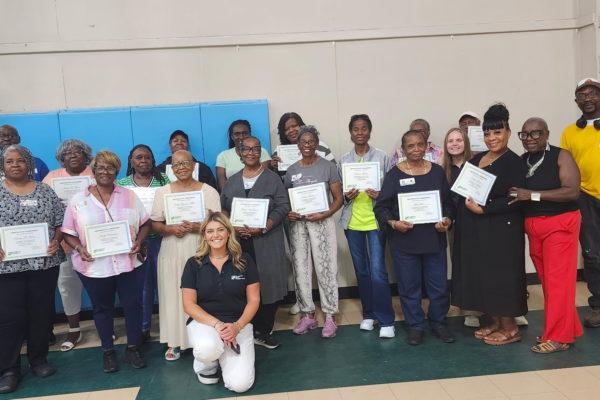
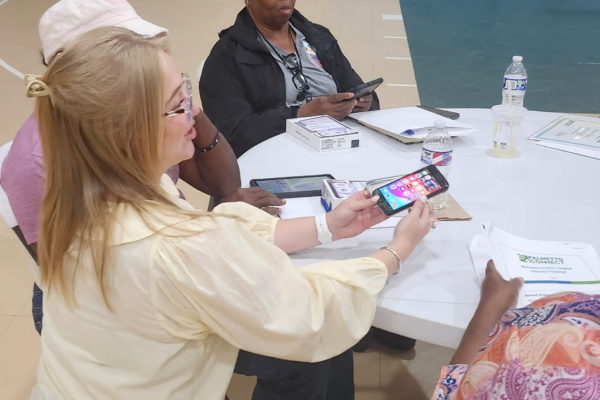
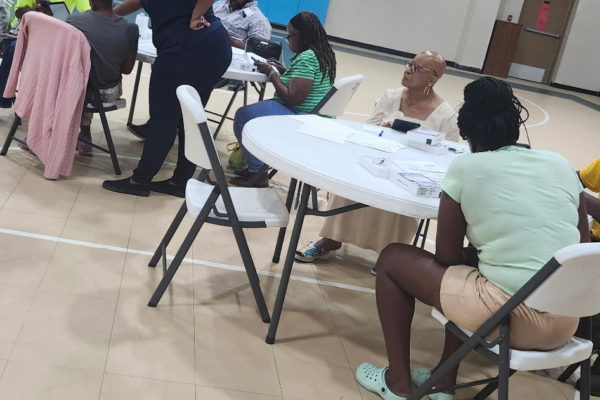
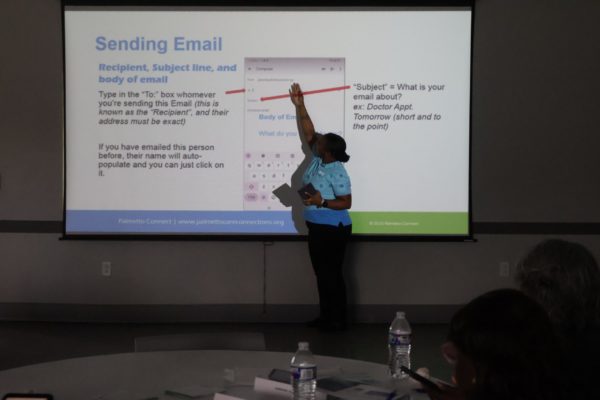
Digital Literacy Training: Through statewide training programs, we teach seniors, caregivers, and underserved populations how to safely use technology for telehealth and other essential services.
Broadband Advocacy: We work alongside government agencies, internet service providers, and nonprofit partners to expand broadband infrastructure—because no one should have to choose between gas money and a doctor’s visit.
Support for Providers: By offering technology solutions and technical assistance to rural clinics and hospitals, we help providers stay connected and patients stay informed.
Get Involved
Community Health Improvement Week is also a call to action. Whether you’re a caregiver, healthcare worker, or just someone who wants to help, here are a few ways to get involved:
Help a neighbor or family member sign up for school-based telehealth.
Volunteer to support one of our digital literacy events.
Share our resources with someone who might not know about them.
Advocate for broadband and telehealth access in your local community.
Together, we can continue creating a future where care is more accessible, more connected, and more personal—no matter where you live.

By: Chaunte’ Causey, Communications Manager, PCC
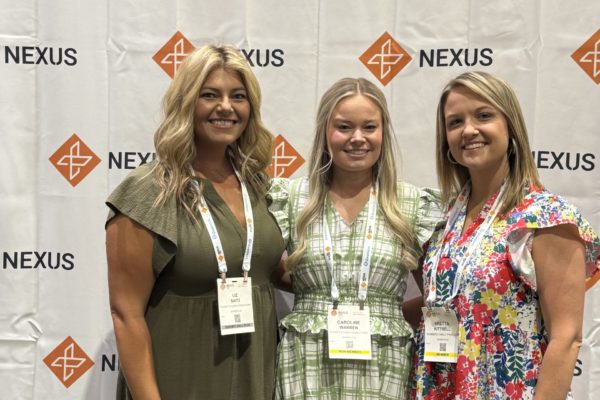
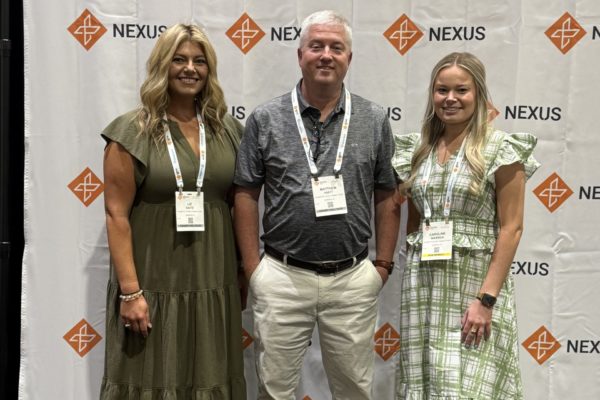
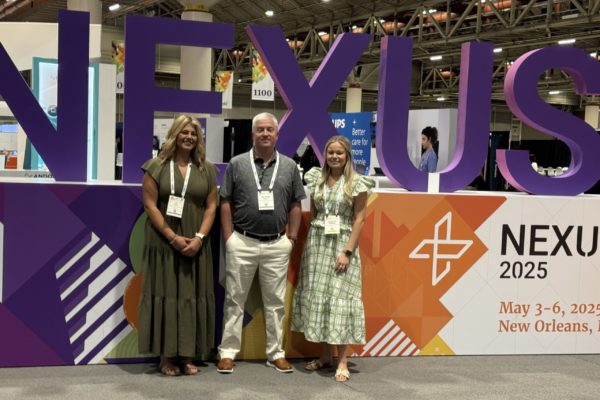
Palmetto Care Connections (PCC) recently attended Nexus 2025, the American Telemedicine Association’s Annual Conference and Expo, held in New Orleans. The event brought together approximately 1,500 healthcare professionals, clinicians, and telehealth leaders from across the country to explore the future of virtual care.
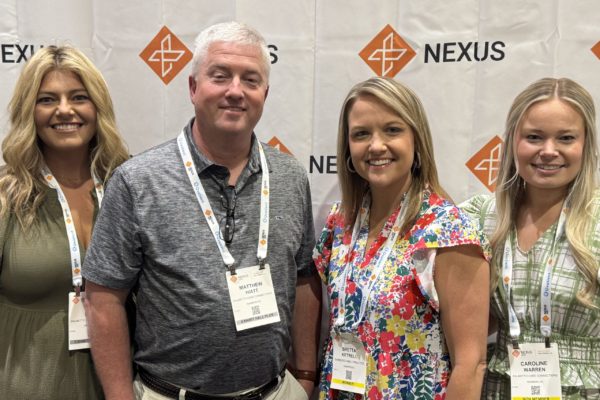
PCC was represented by four team members:
- Matt Hiatt, Chief Technology Officer
- Liz Saitz, IT Director for Community Engagement
- Caroline Warren, Telehealth Coordinator
- Bretta Kittrell, Family Nurse Practitioner at Bamberg Family Practice
Key sessions included:
- “Cracking the Code” – focused on billing, coding, and expanding access to virtual care.
- “The Business of Humanizing Virtual Care” – discussed how to improve patient experience while keeping care high-quality and convenient.
The conference gave PCC valuable insight into new tools and strategies that can help improve healthcare delivery in rural South Carolina. It also gave the team a chance to connect with other organizations working to solve similar challenges in telehealth and digital access.
Events like Nexus help PCC stay informed and inspired as we continue using technology to bring better care to the communities that need it most.