By: Chaunte’ Causey, Communications Manager, PCC
-
More access, fewer hurdles – Rural patients can now connect with care more easily and affordably.
-
Long-term certainty – This isn’t a temporary extension—it’s a permanent policy, giving providers and patients peace of mind.
-
Better benefit options – Employers can now include telehealth in their plans without added costs to employees.
https://www.chiefhealthcareexecutive.com/view/telehealth-gets-a-win-in-trump-s-tax-package
By: Chaunte’ Causey, Communications Manager, PCC
On June 27, 2025, the U.S. Supreme Court ruled in favor of a key FCC program that helps fund phone and internet service in rural, low-income, and underserved areas. The 6–3 decision keeps the Universal Service Fund (USF) in place—a major win for broadband access in communities like the ones PCC serves. (Read the original article from The Gazette)
What is the Universal Service Fund?
The USF is a fund the federal government uses to make sure people in all parts of the country—especially rural areas—can get access to phone and internet at an affordable rate. Telecom companies contribute to the fund and often pass the cost on to customers as a small line item on their phone bills. The funds support:
- Rural homes and businesses
- Tribal lands
- Schools and libraries
- Health clinics and telehealth programs
Why Did the Court Get Involved?
Some groups argued the FCC did not have the authority to collect these fees and give the money to the Universal Service Fund. They claimed it was an unconstitutional tax.
However, the Supreme Court disagreed, ruling that Congress had granted the FCC the authority to manage the program and that the process was lawful and necessary. (Read more from Reuters)
What This Means for Rural South Carolina
This ruling protects funding that helps people in rural areas stay connected to doctors, schools, and family. FCC Commissioner Anna Gomez said it best: ending the fund would hurt millions of Americans. However, she also suggested that Congress should explore ways to modernize the program. (Read More from TV Technology)
Why PCC Cares
As the nation’s leading broadband consortium aiding our healthcare providers across eleven states Palmetto Care Connections serves communities that depend on adequate and reliable broadband access for telehealth, Education and other connected services. The Supreme Court’s ruling protects critical funding that helps our most vulnerable and primarily underserved stay connected and accessing critical services they require. PCC will continue to advocate for practical solutions that strengthen connectivity across rural South Carolina and beyond.
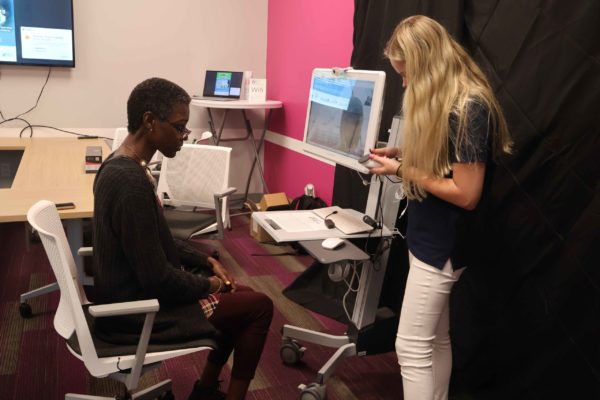
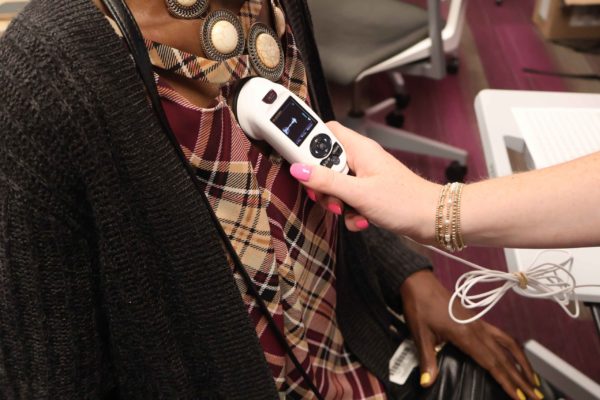
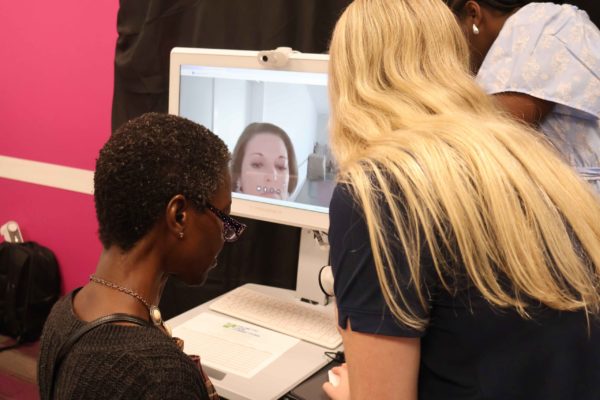
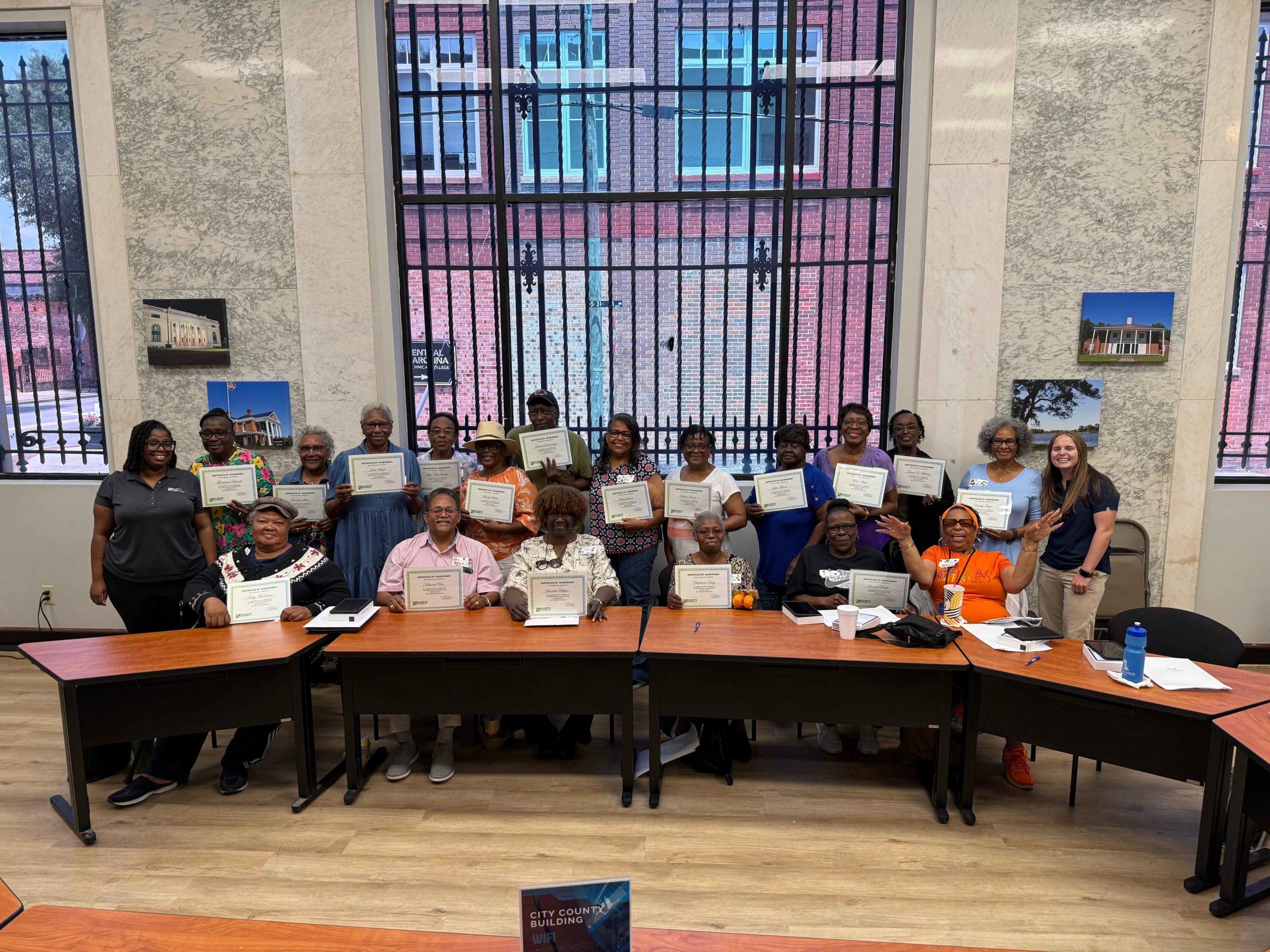
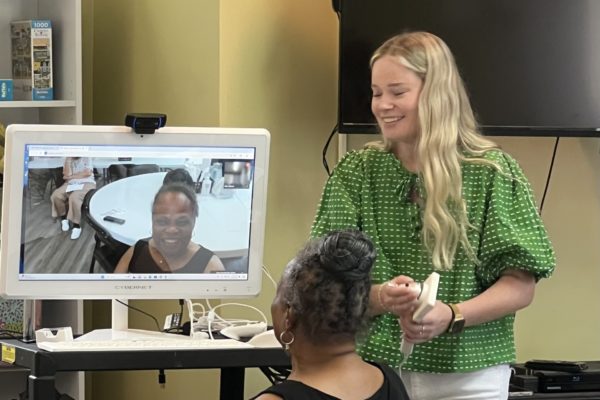
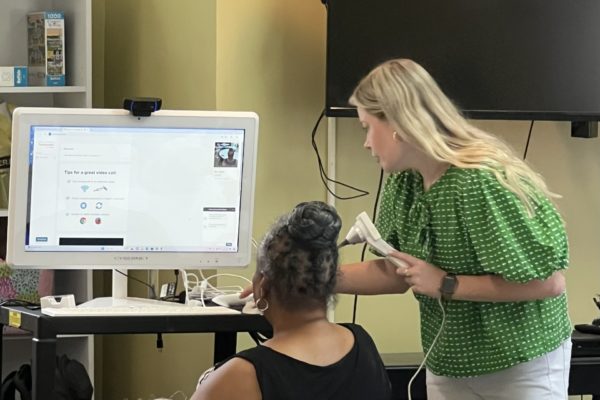
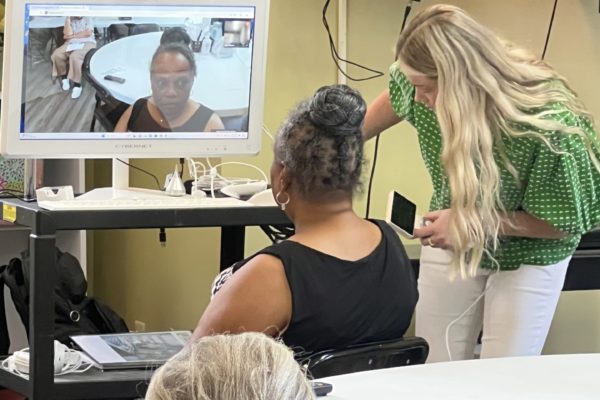
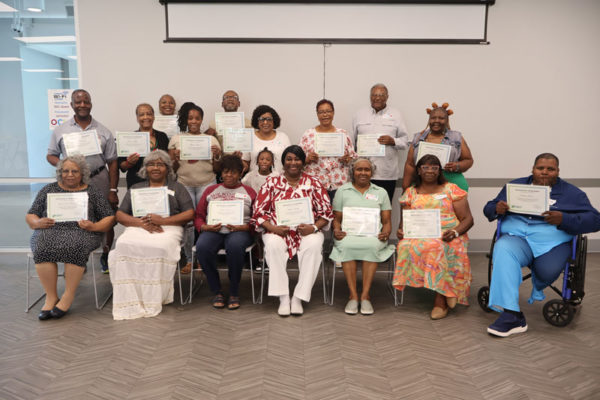
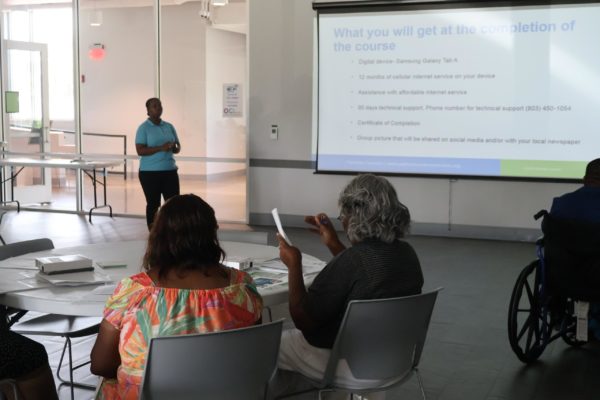
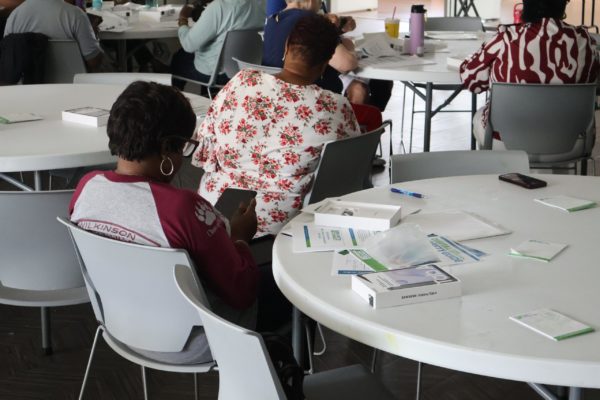
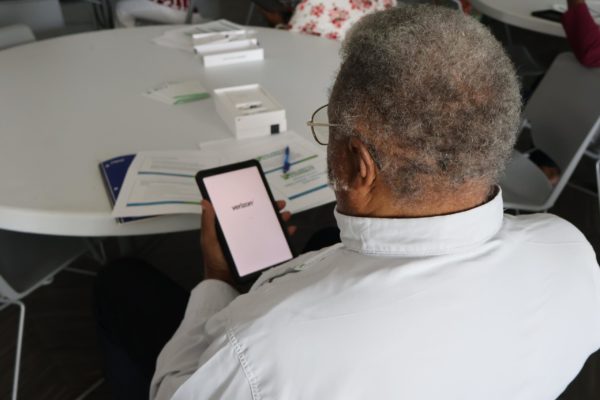
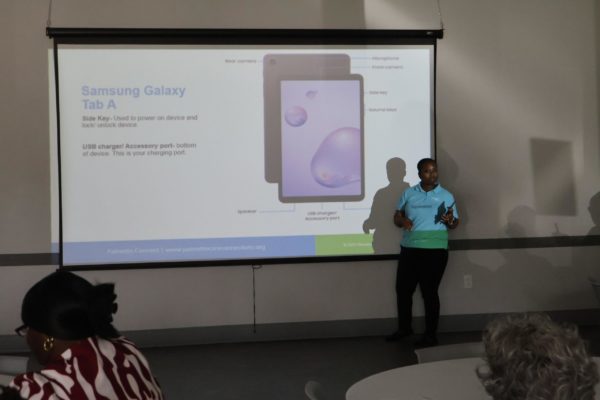
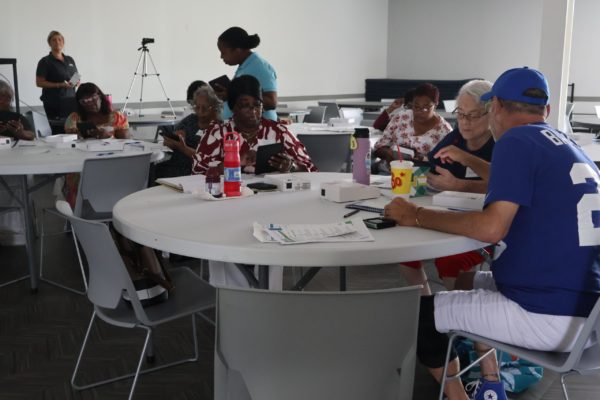
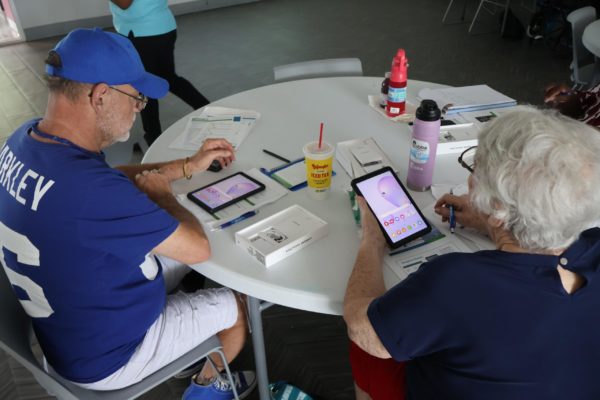
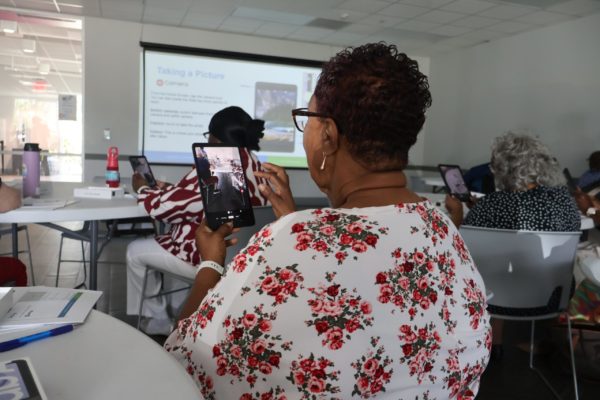
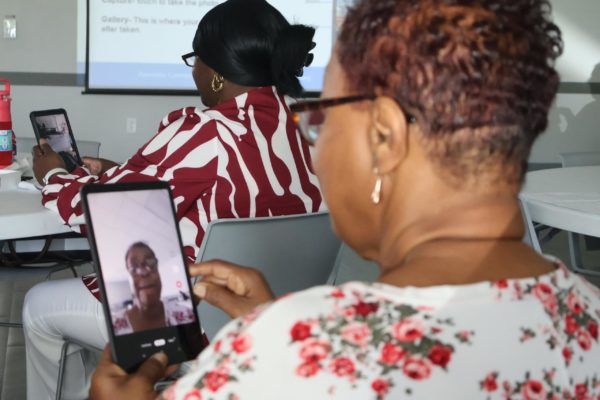
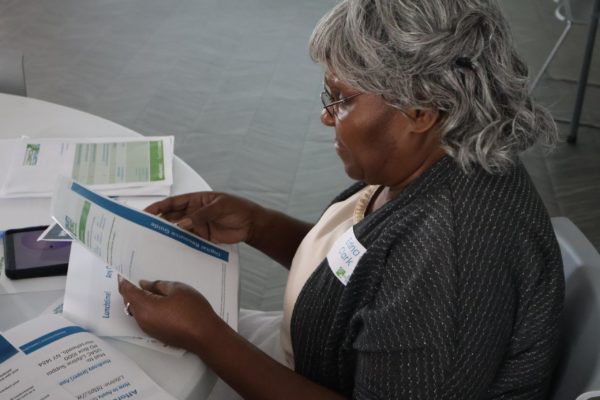
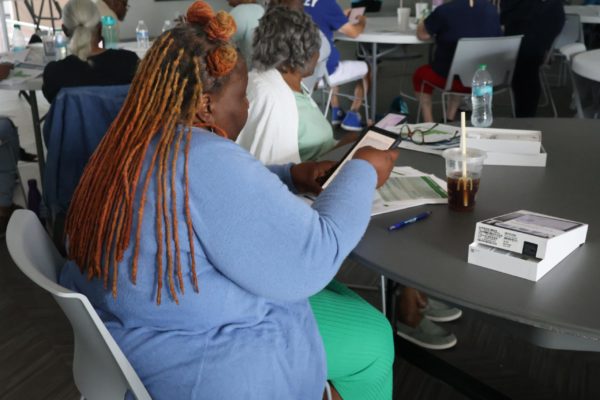
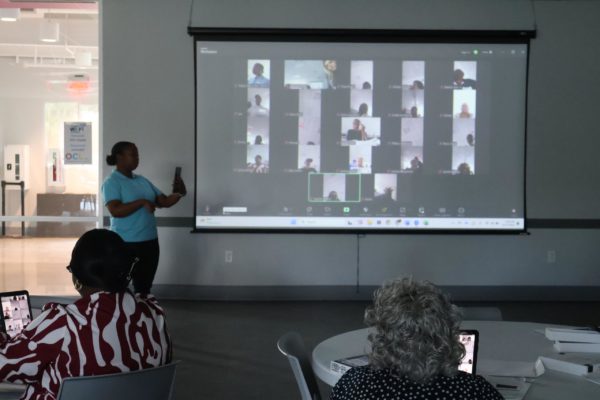
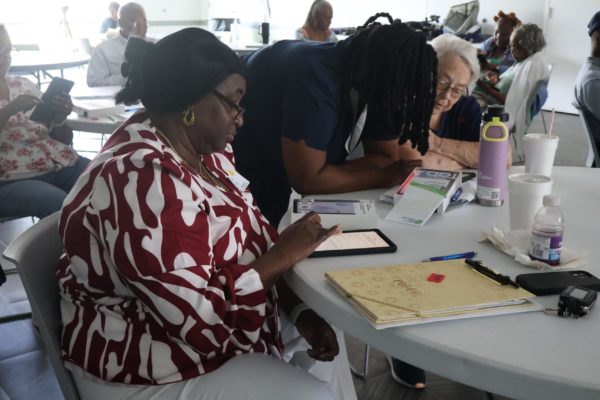
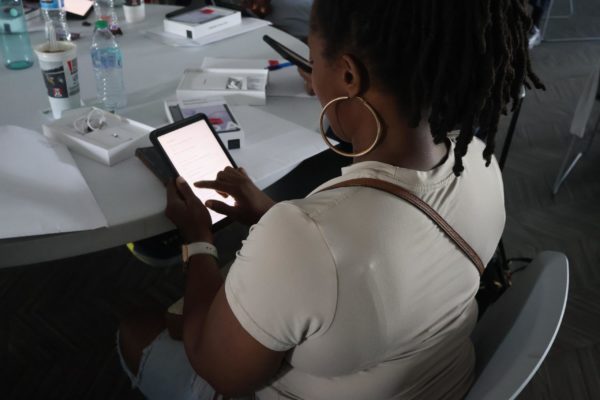
Thanks to SCTA funding, each participant received a tablet with one year of free cellular service, removing obstacles like limited device access and unreliable internet that can prevent rural patients from using telehealth.
By: Chaunte’ Causey, Communications Manager, PCC
Community Health Improvement Week (CHIW), observed June 9–13, is a national opportunity to recognize the people, partnerships, and programs that are making communities healthier. At Palmetto Care Connections (PCC), this week holds special meaning as we reflect on the progress we’ve made—alongside our partners—to close healthcare gaps across rural South Carolina through innovation, collaboration, and heart.
Our mission has always been rooted in one simple but powerful belief: where you live shouldn’t determine if—or how—you get care. This year’s CHIW theme, “We Are Healthcare”, is a reminder that improving community health isn’t just about hospital systems or medical charts. It’s about neighbors checking in, local libraries hosting telehealth visits, and older adults learning to use tablets to speak with their doctors from home.
What PCC Is Doing to Improve Community Health
During CHIW and every week of the year, our team is focused on building digital bridges to better health:
-
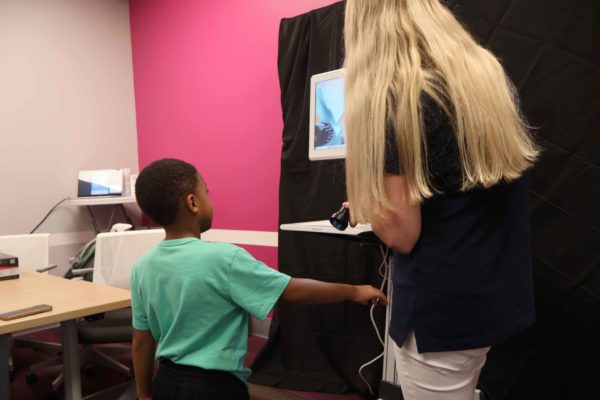
Telehealth Access Points: We’ve partnered with libraries, schools, and community centers to install telehealth equipment in places people already go—making healthcare more convenient, especially in rural areas.
-
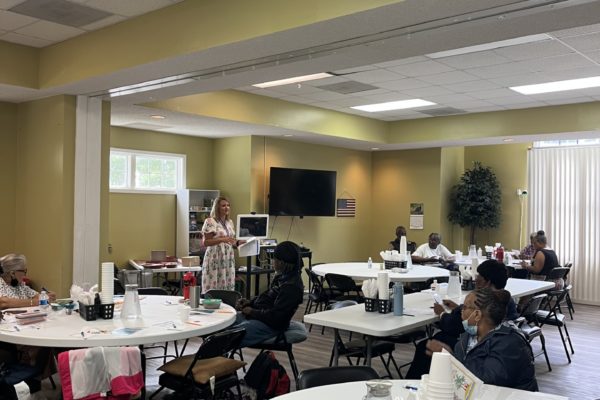
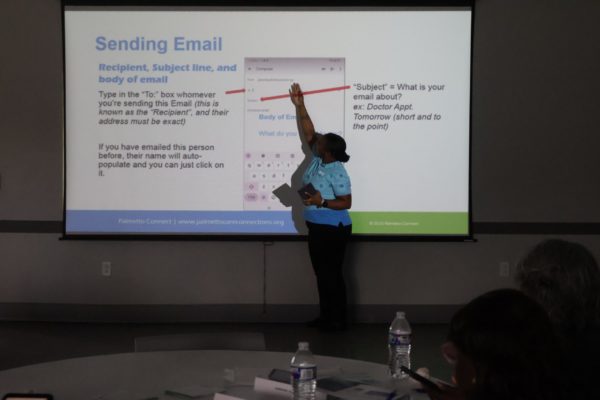
Digital Literacy Training: Through statewide training programs, we teach seniors, caregivers, and underserved populations how to safely use technology for telehealth and other essential services.
-
Broadband Advocacy: We work alongside government agencies, internet service providers, and nonprofit partners to expand broadband infrastructure—because no one should have to choose between gas money and a doctor’s visit.
-
Support for Providers: By offering technology solutions and technical assistance to rural clinics and hospitals, we help providers stay connected and patients stay informed.
Get Involved
Community Health Improvement Week is also a call to action. Whether you’re a caregiver, healthcare worker, or just someone who wants to help, here are a few ways to get involved:
-
Help a neighbor or family member sign up for school-based telehealth.
-
Volunteer to support one of our digital literacy events.
-
Share our resources with someone who might not know about them.
-
Advocate for broadband and telehealth access in your local community.
Together, we can continue creating a future where care is more accessible, more connected, and more personal—no matter where you live.
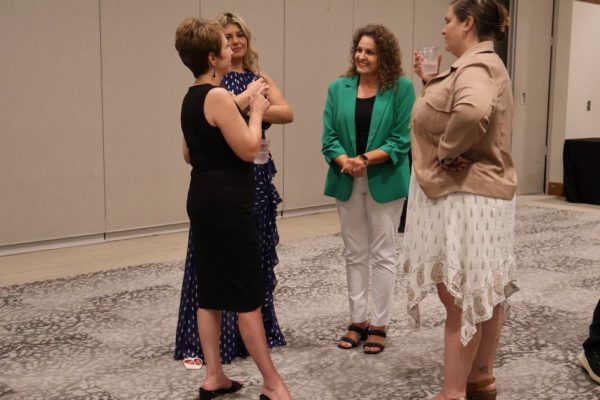
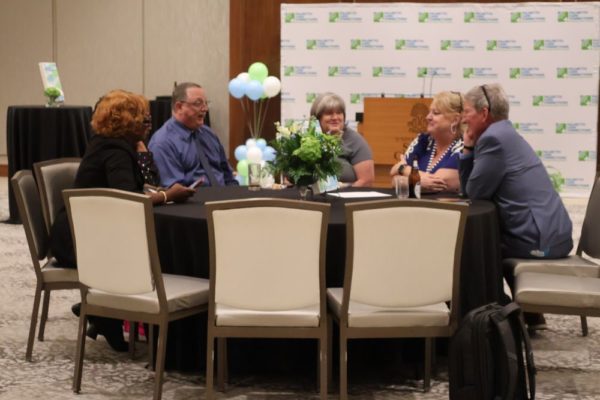
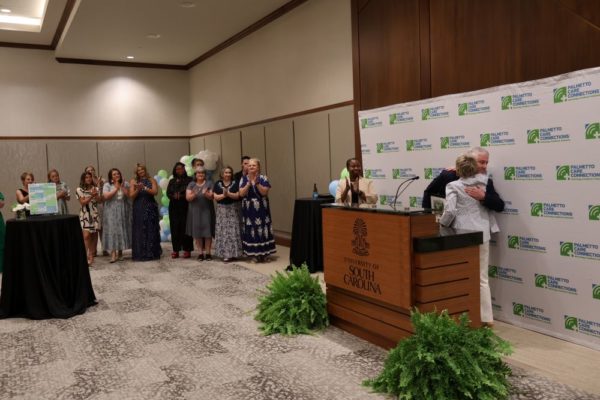
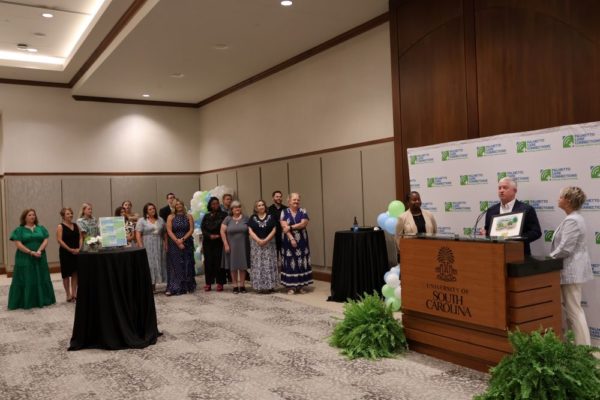
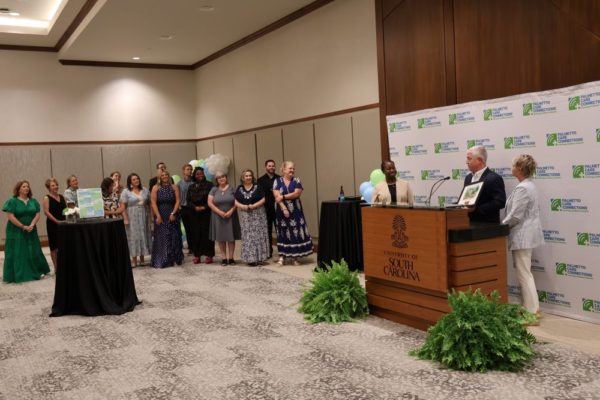
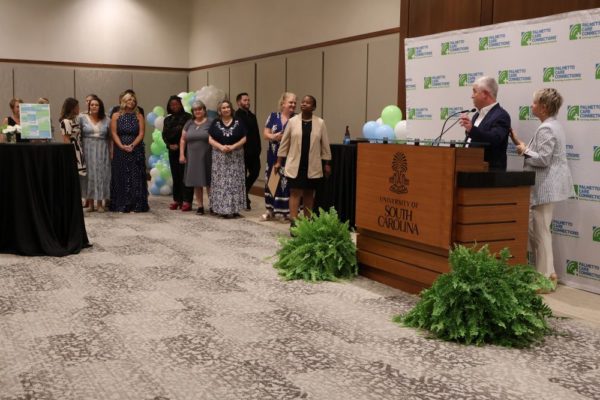
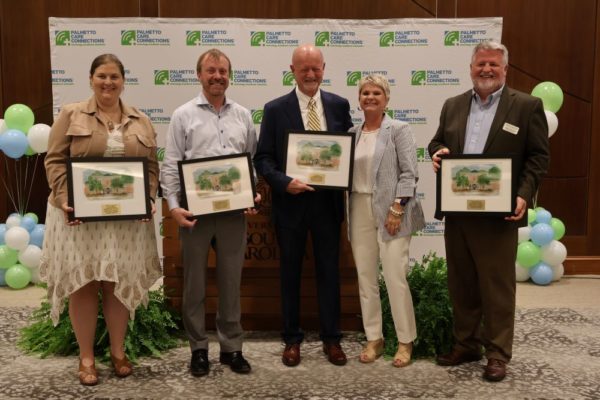
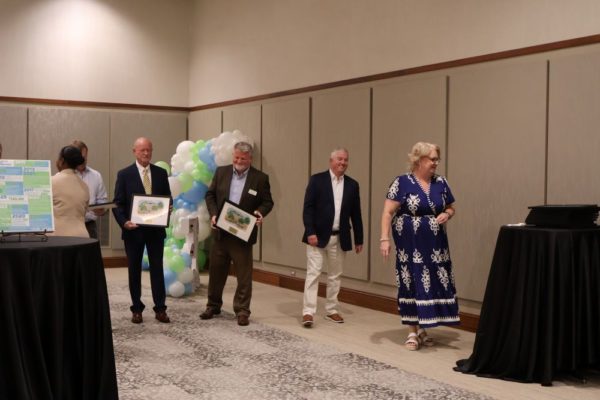
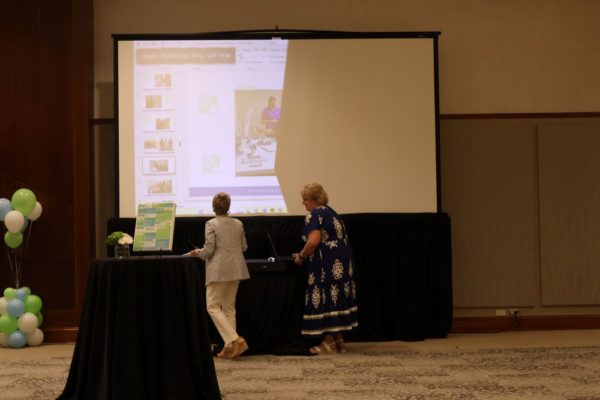
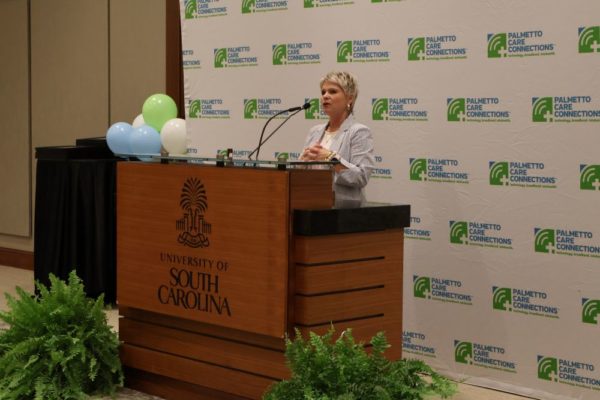
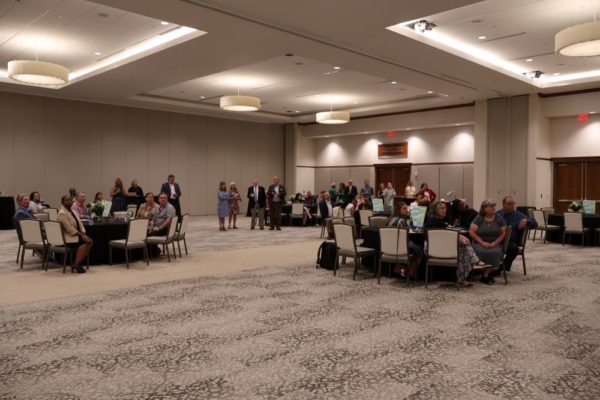
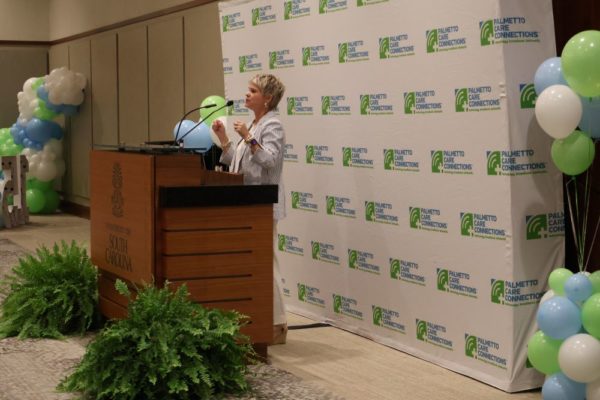
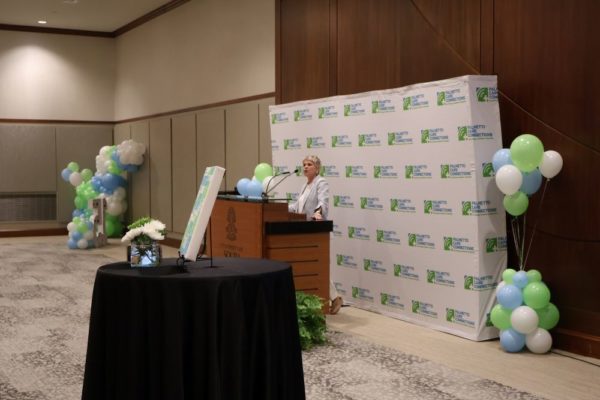
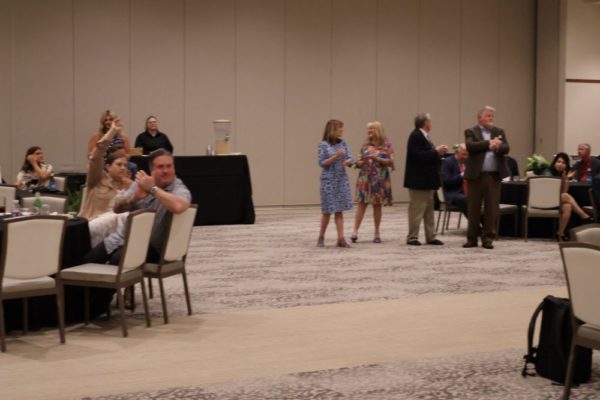
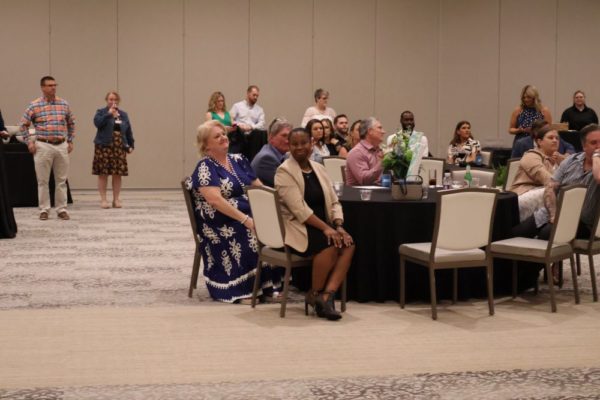
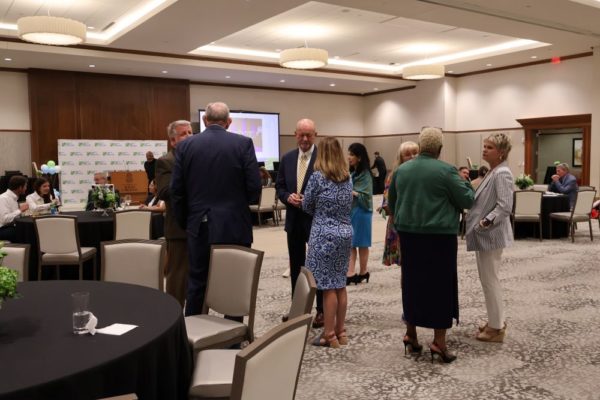
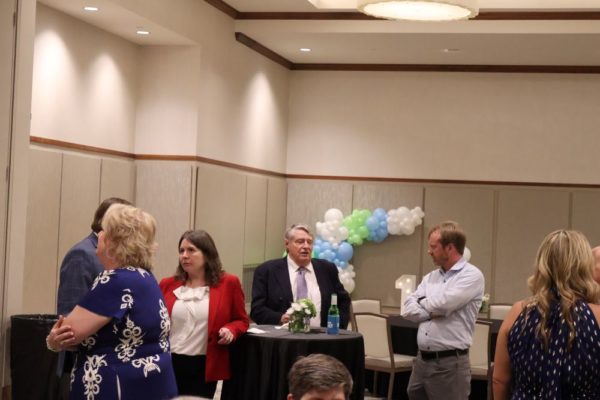
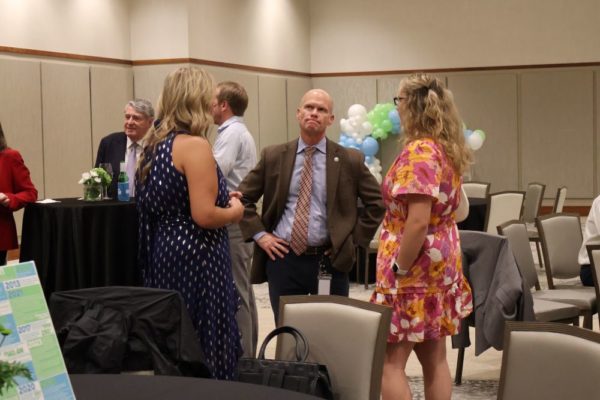
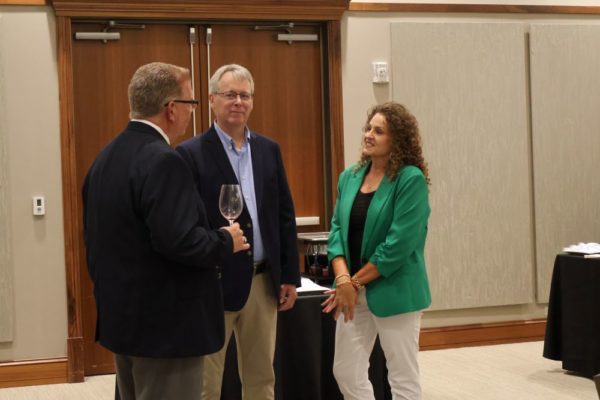
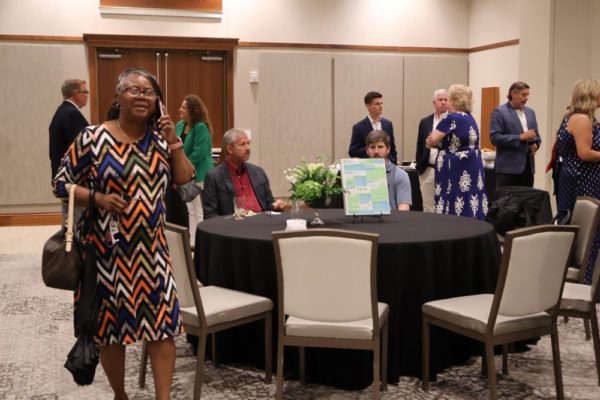
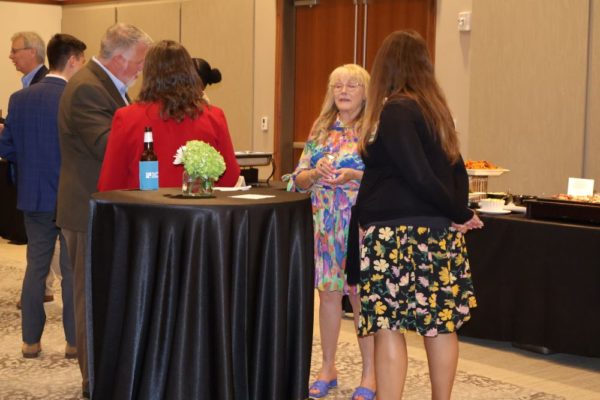
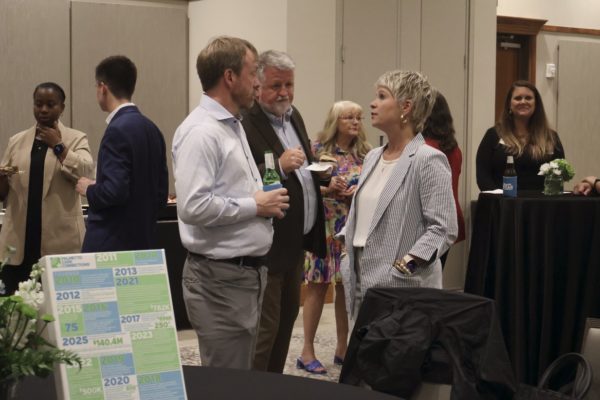
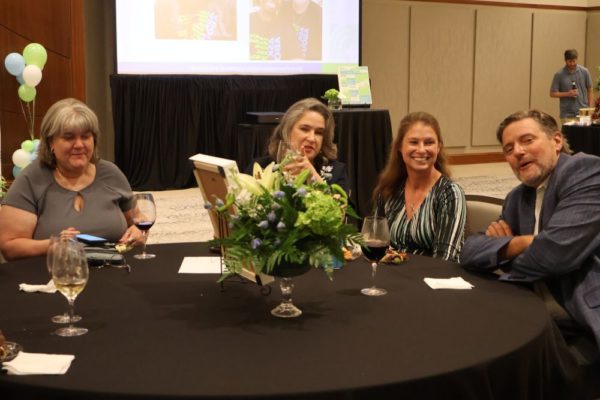
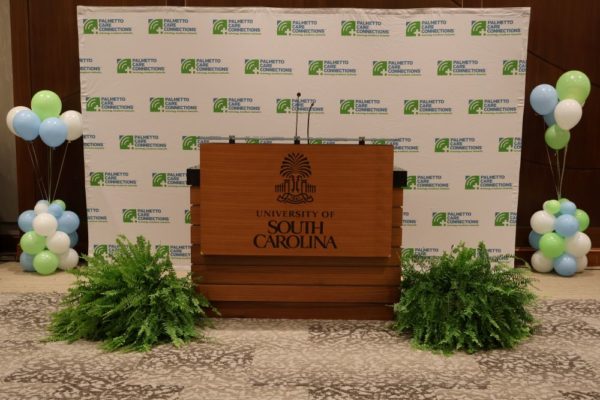
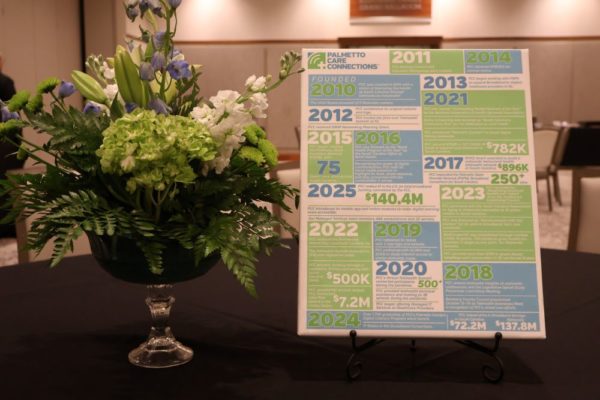
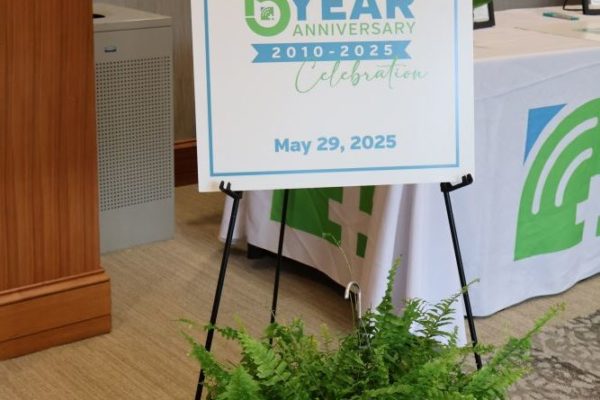
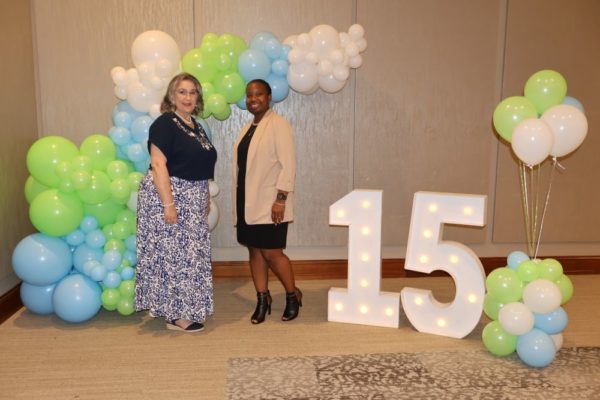
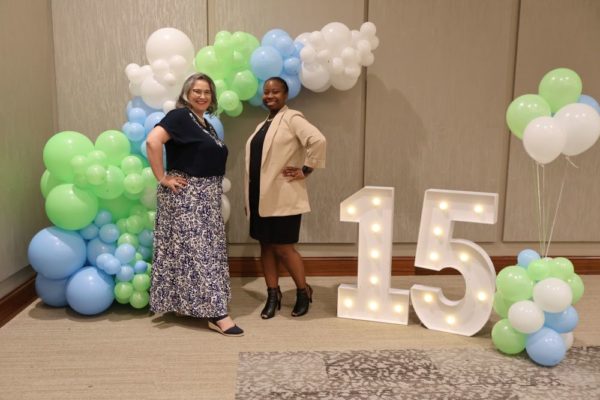
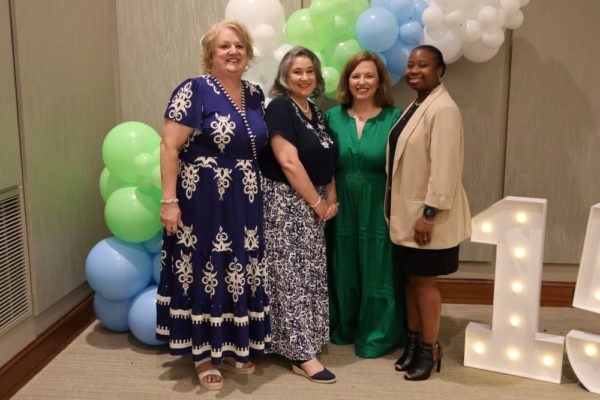
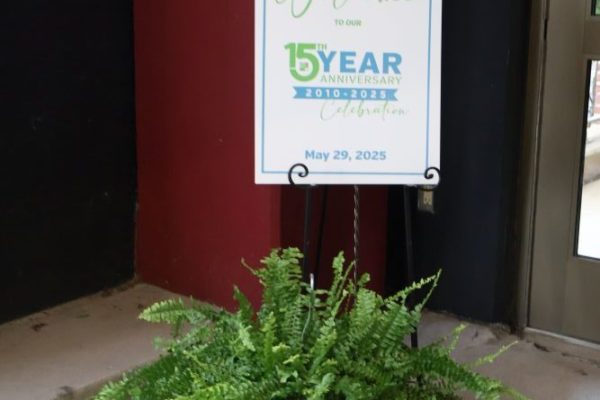
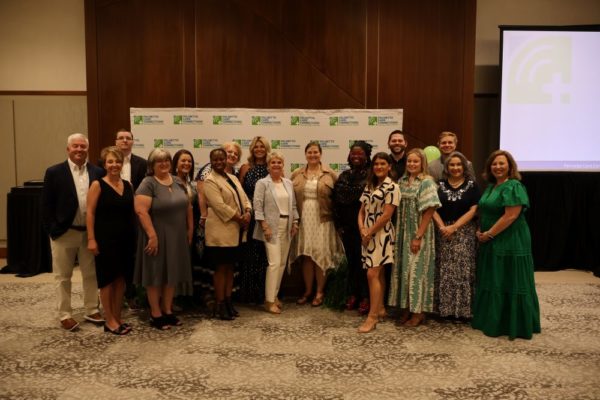
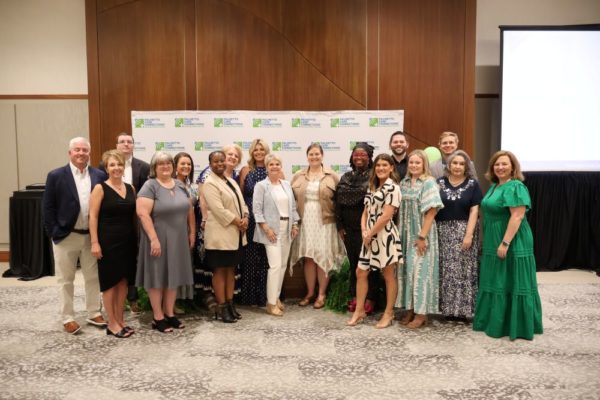
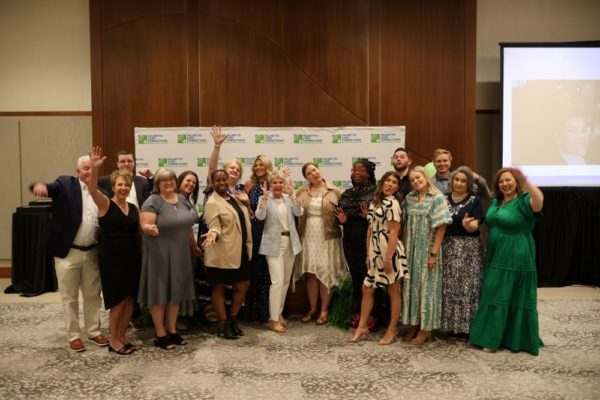
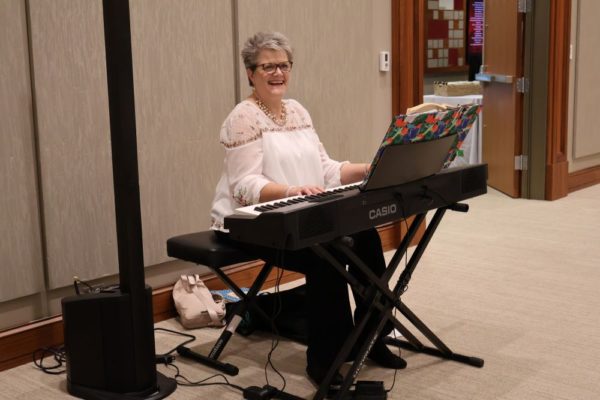
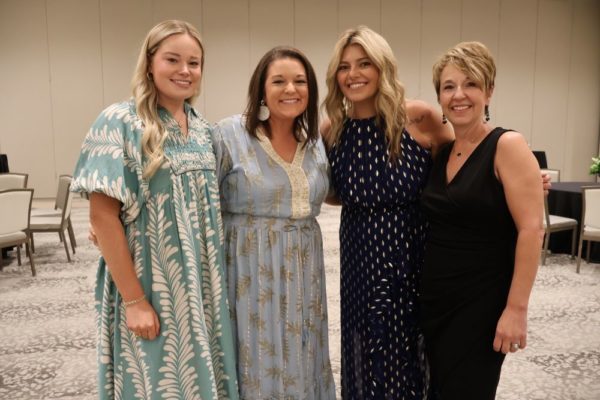
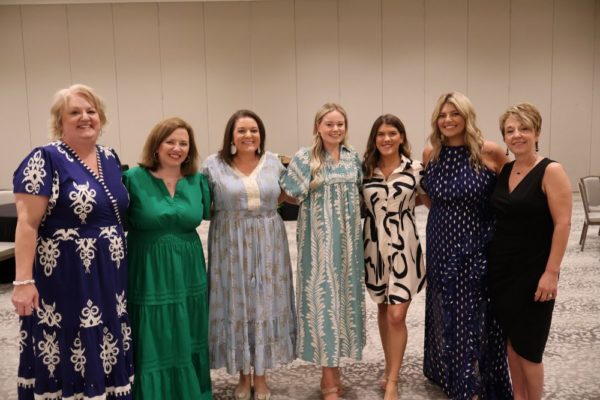
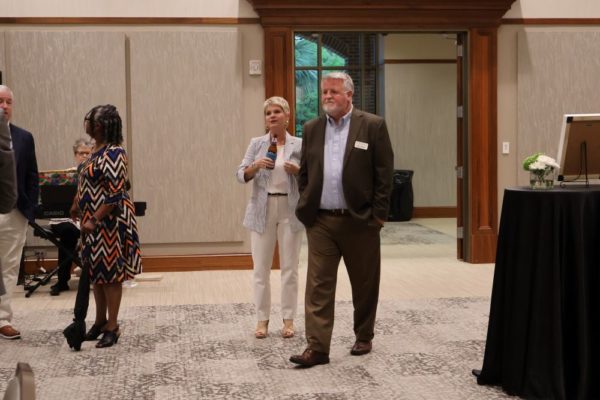
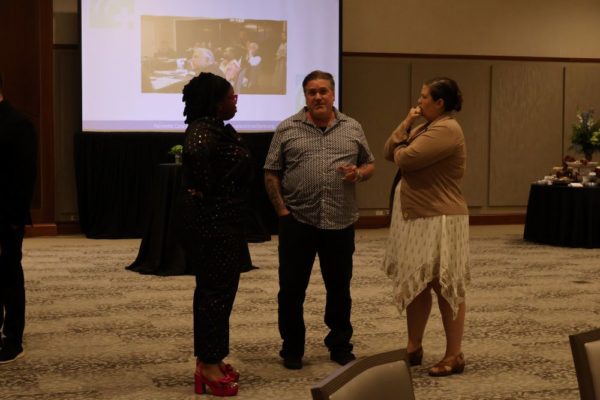
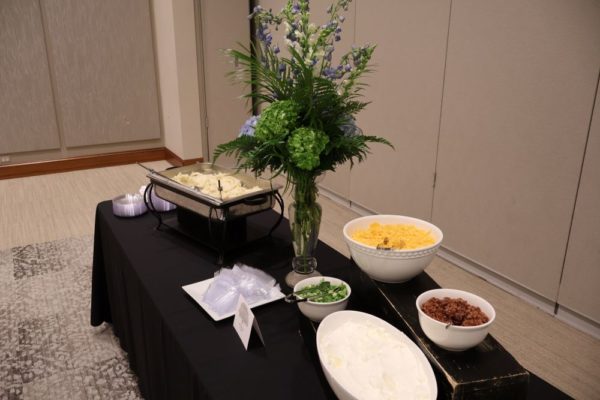
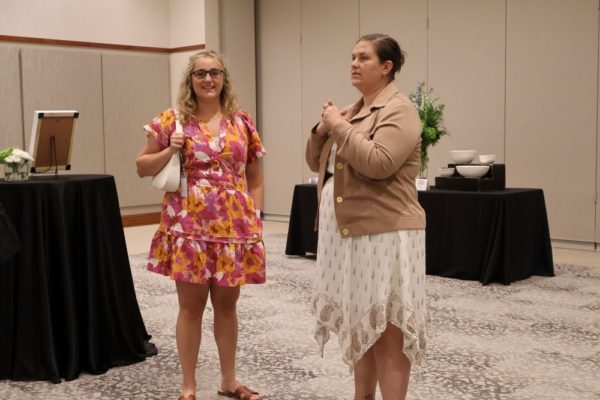
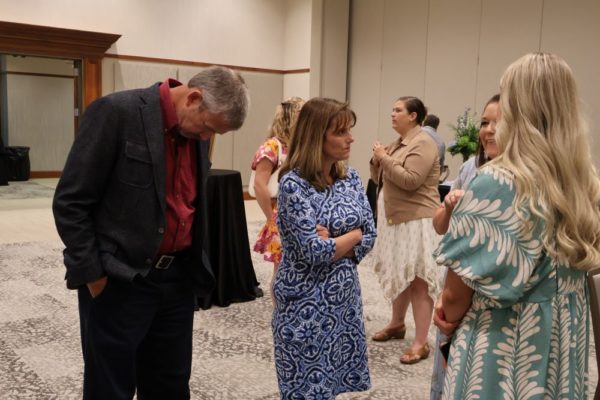
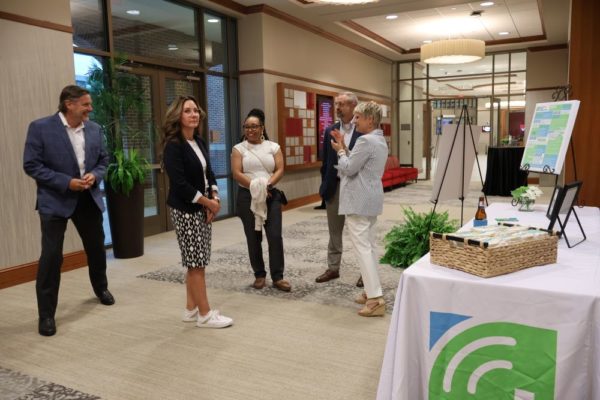
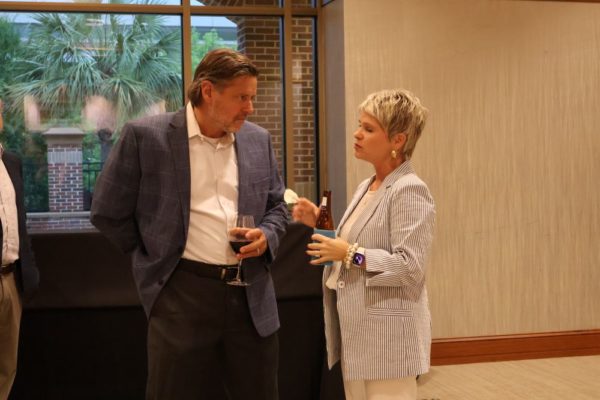
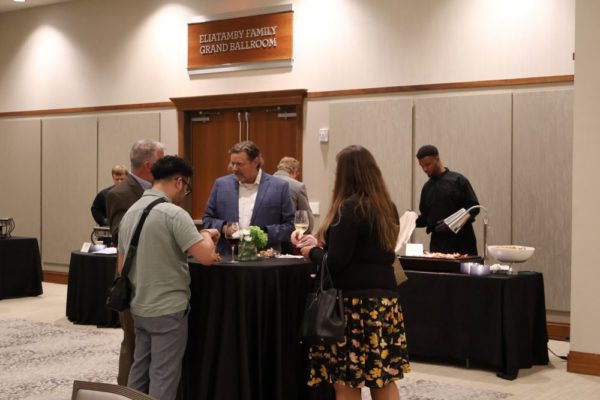
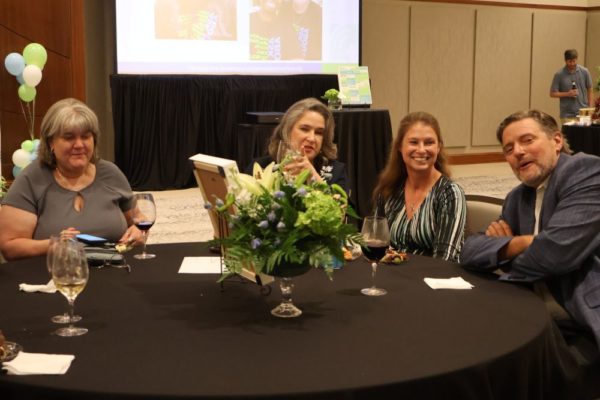
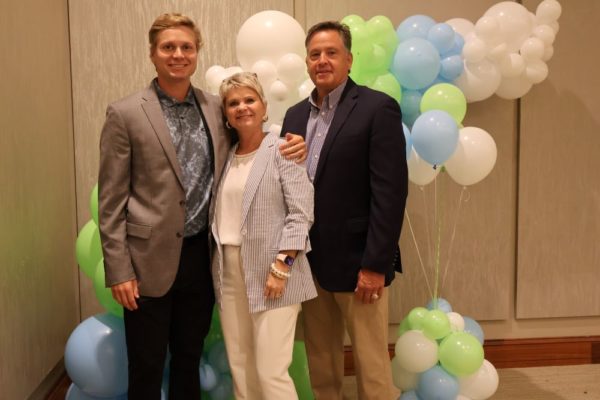
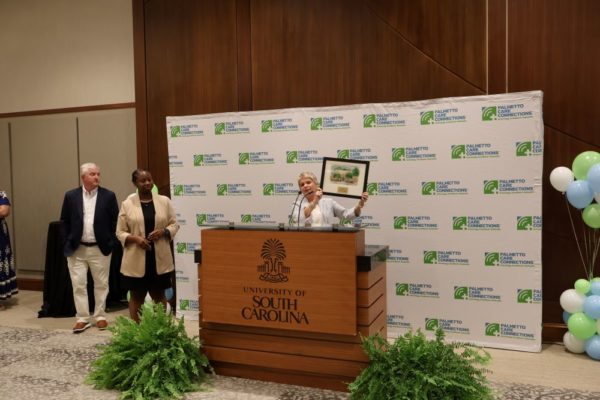
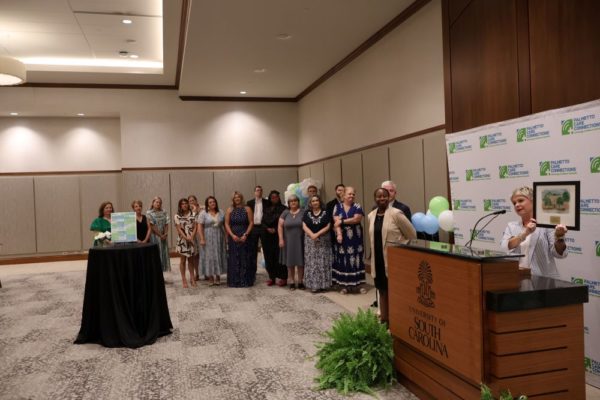
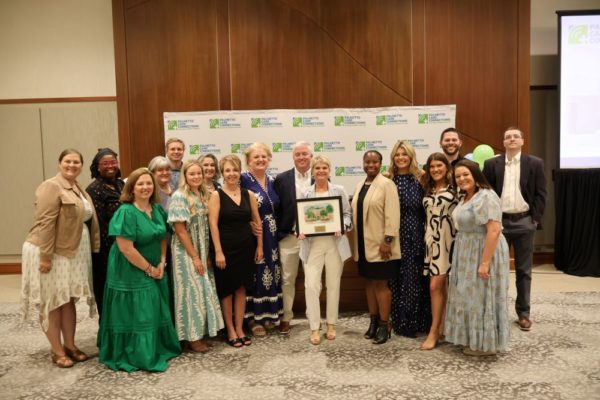
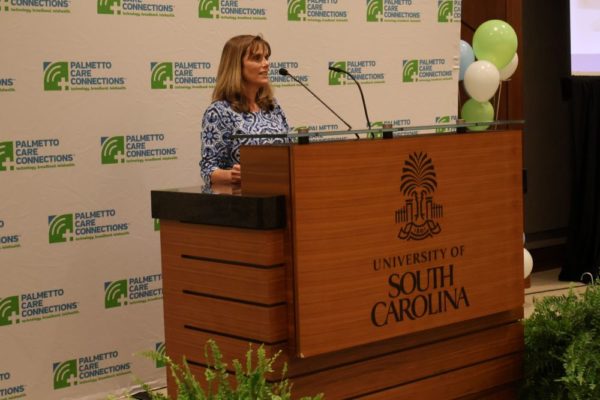
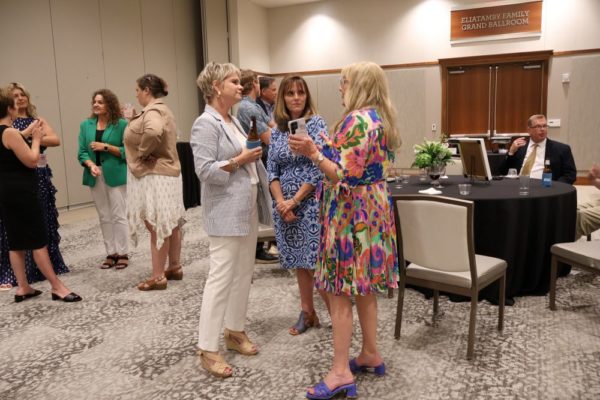
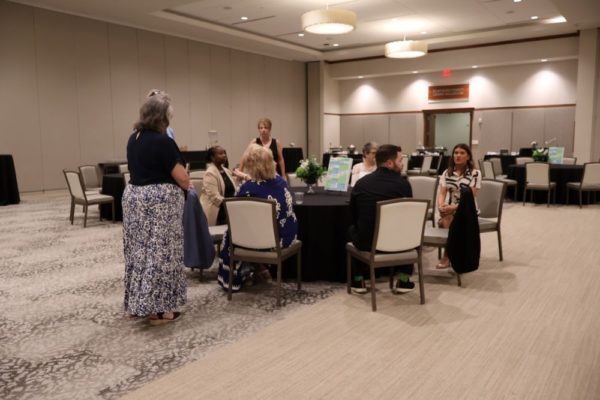
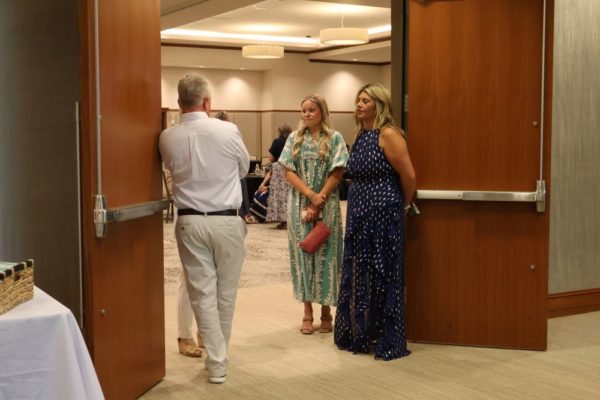
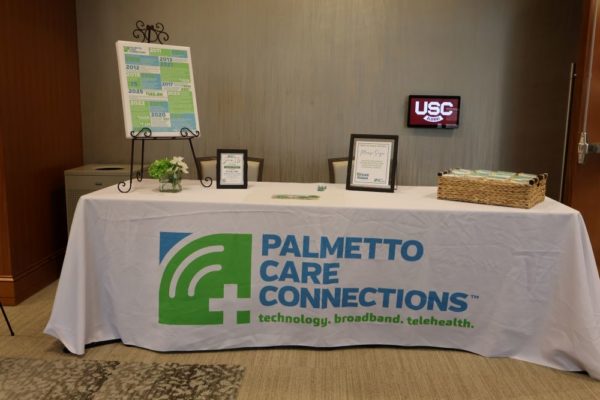
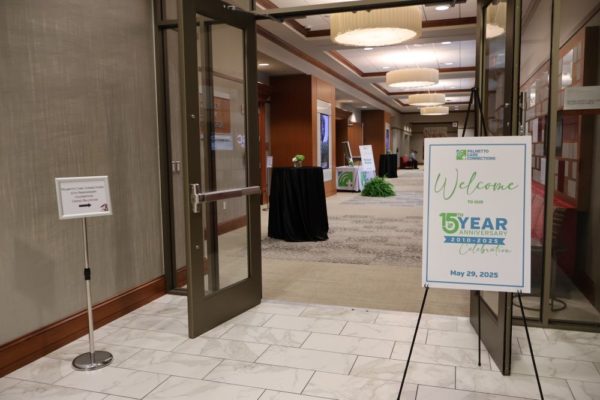
Columbia, S.C. — On Thursday, May 29, Palmetto Care Connections (PCC) celebrated a major milestone—15 years of bridging the gap between rural communities and health care through telehealth, technology, broadband, and education. The celebration was held at the Pastides Alumni Center on the campus of the University of South Carolina in Columbia, bringing together nearly 100 guests for an evening of gratitude, reflection, and recognition.
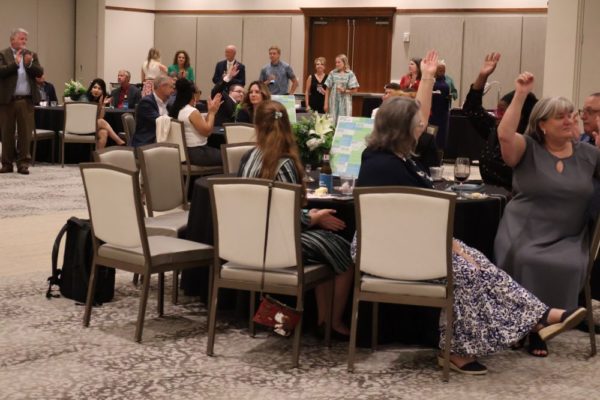
The event welcomed some of PCC’s original founding board members, current board members, community partners, and longtime supporters who have championed PCC’s mission since its beginning in 2010. Together, they honored the organization’s journey and celebrated the partnerships that have made statewide progress in telehealth and digital literacy possible.
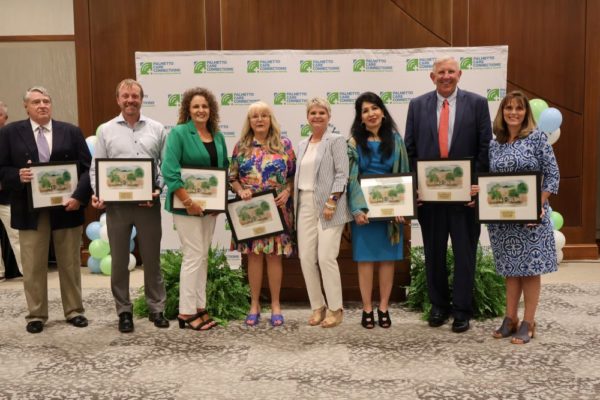
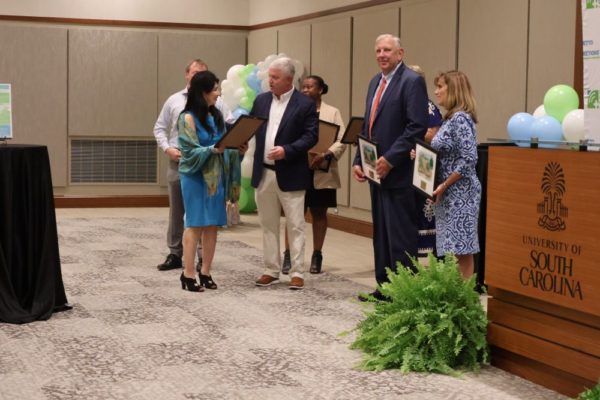
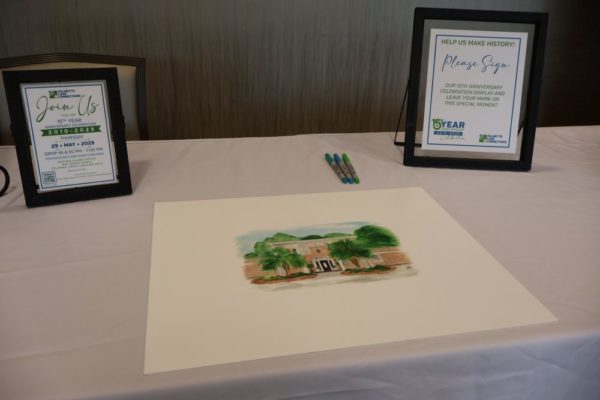
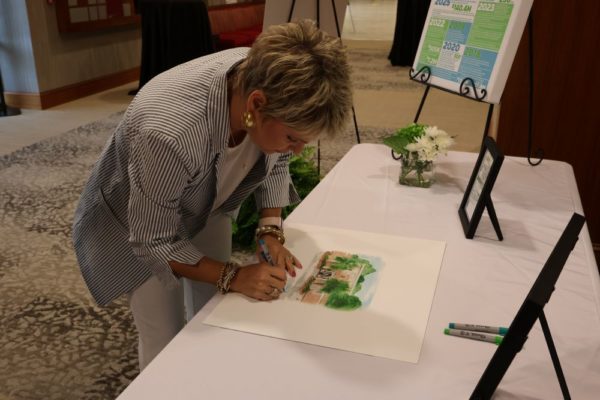
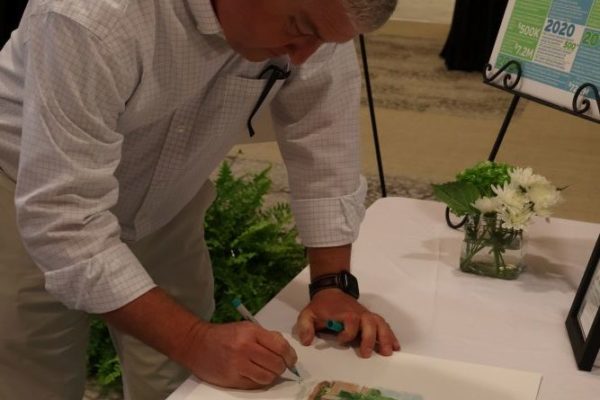
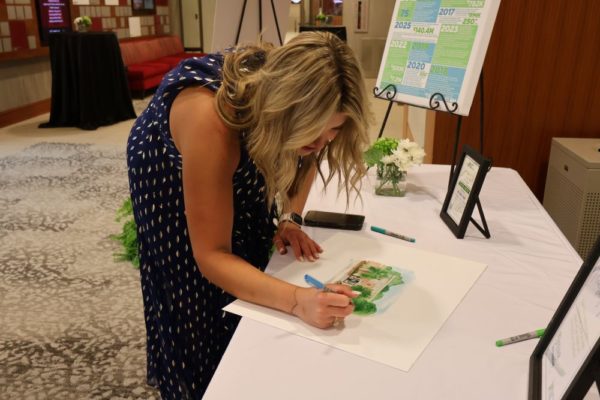
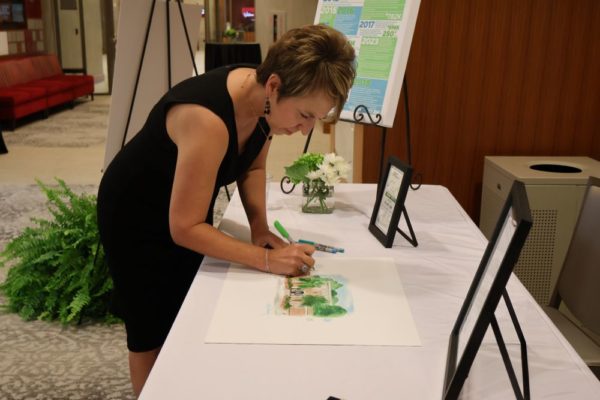
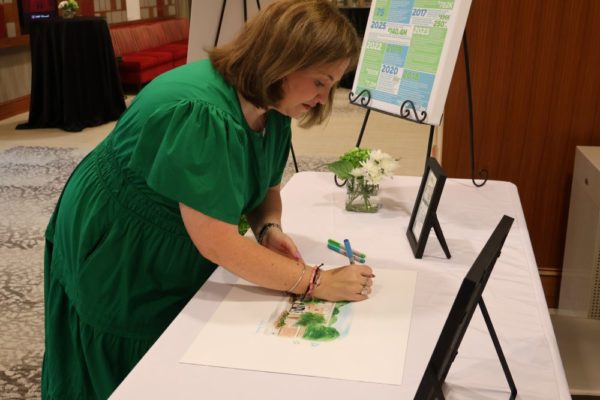
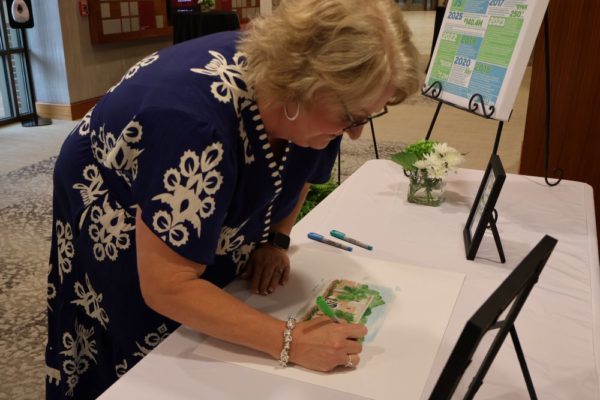
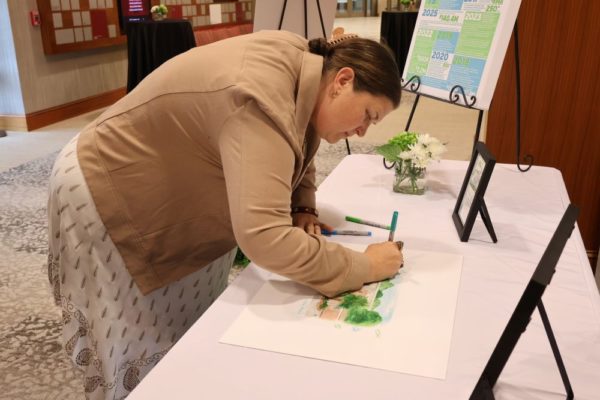
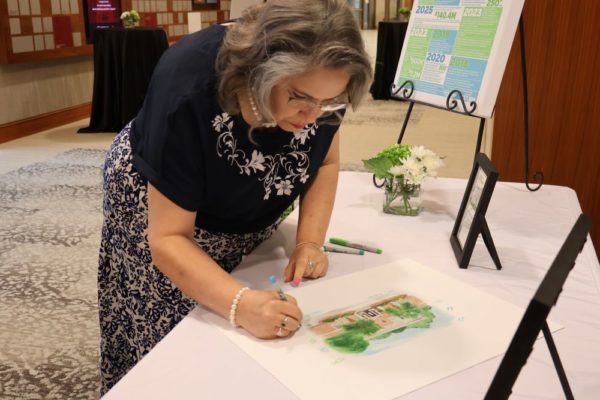
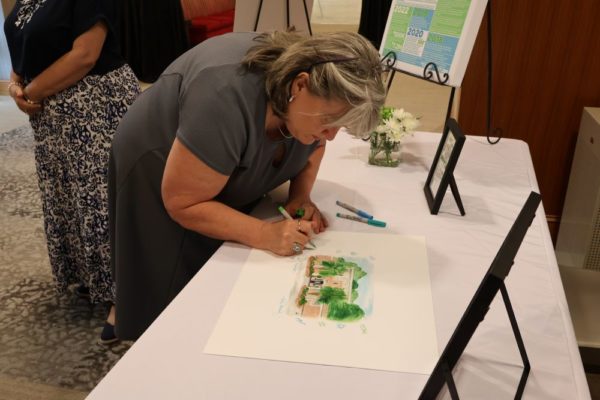
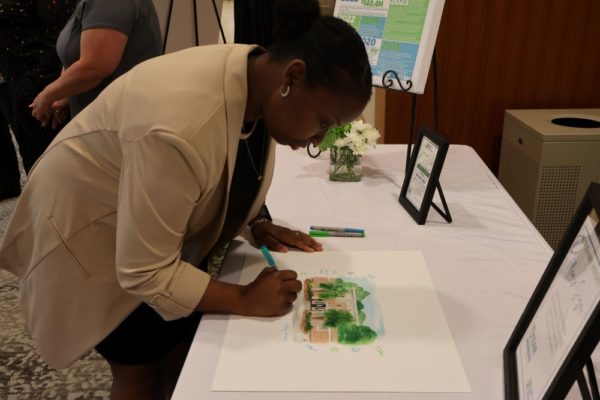
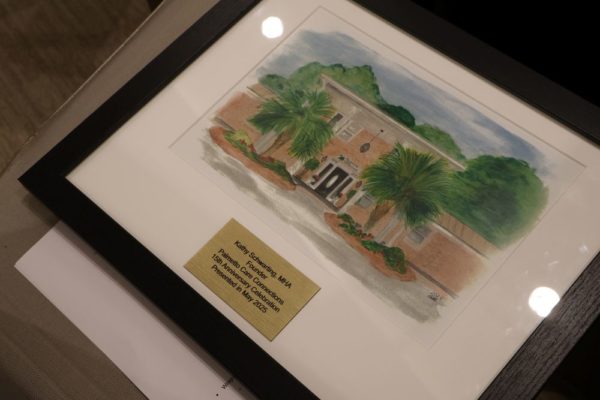
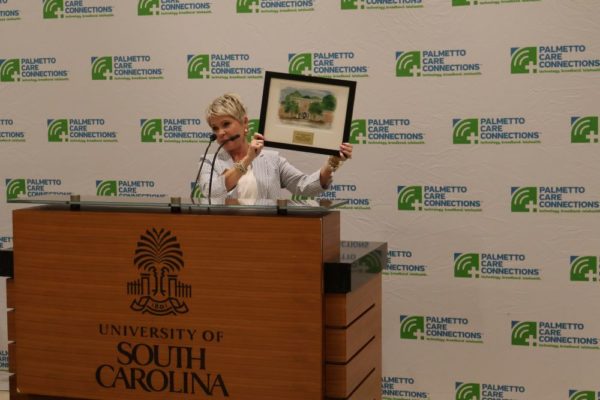
In recognition of their service, PCC board members were presented with commemorative watercolor paintings of the organization’s headquarters in Bamberg—each a meaningful symbol of PCC’s roots and continued growth. Lively conversation, heartfelt moments, and plenty of laughter filled the room as colleagues and friends reconnected and reflected on the impact of PCC’s work across South Carolina.
The event was a great reminder to everyone why PCC’s mission matters. From expanding broadband access to launching digital literacy classes and supporting rural providers with telehealth solutions, PCC’s accomplishments over the past 15 years are a testament to collaboration, innovation, and an unwavering commitment to improving health care access in rural and underserved communities.
By: Chaunte’ Causey, Communications Manager, PCC
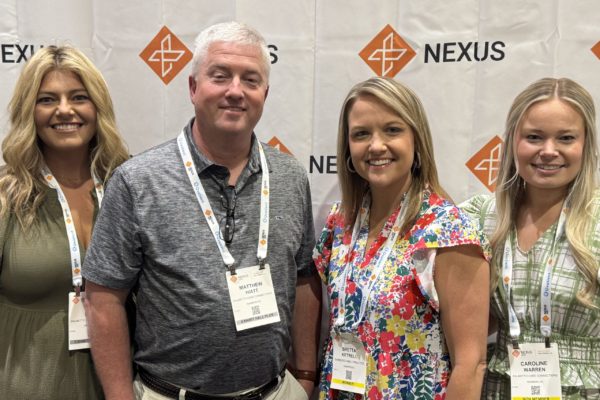
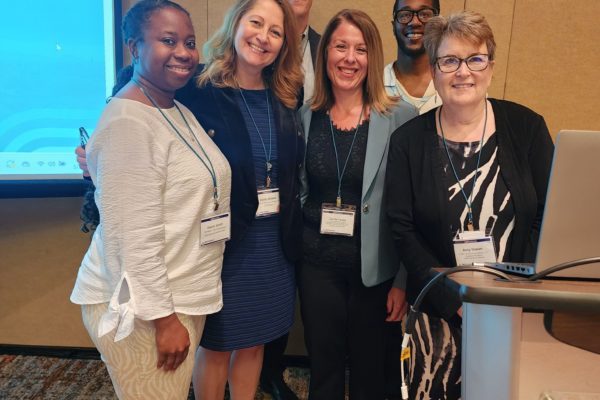
Palmetto Care Connections (PCC) recently attended Nexus 2025, the American Telemedicine Association’s Annual Conference and Expo, held in New Orleans. The event brought together approximately 1,500 healthcare professionals, clinicians, and telehealth leaders from across the country to explore the future of virtual care.
PCC was represented by four team members:
- Matt Hiatt, Chief Technology Officer
- Liz Saitz, IT Director for Community Engagement
- Caroline Warren, Telehealth Coordinator
- Bretta Kittrell, Family Nurse Practitioner at Bamberg Family Practice
Key sessions included:
- “Cracking the Code” – focused on billing, coding, and expanding access to virtual care.
- “The Business of Humanizing Virtual Care” – discussed how to improve patient experience while keeping care high-quality and convenient.
The conference gave PCC valuable insight into new tools and strategies that can help improve healthcare delivery in rural South Carolina. It also gave the team a chance to connect with other organizations working to solve similar challenges in telehealth and digital access.
Events like Nexus help PCC stay informed and inspired as we continue using technology to bring better care to the communities that need it most.
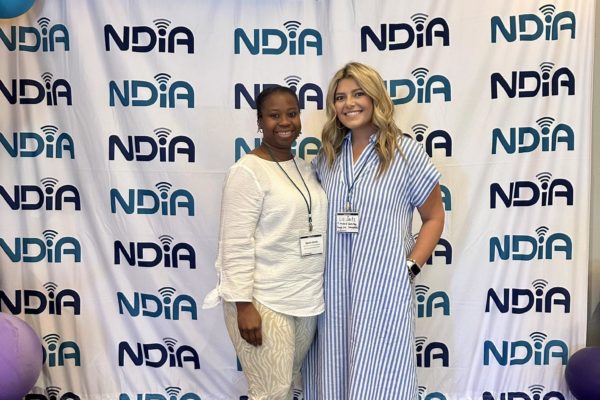
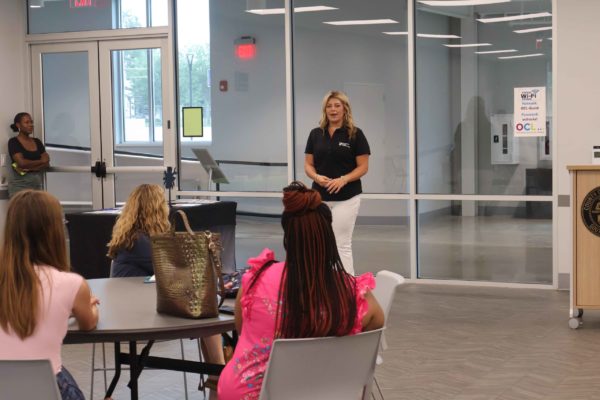
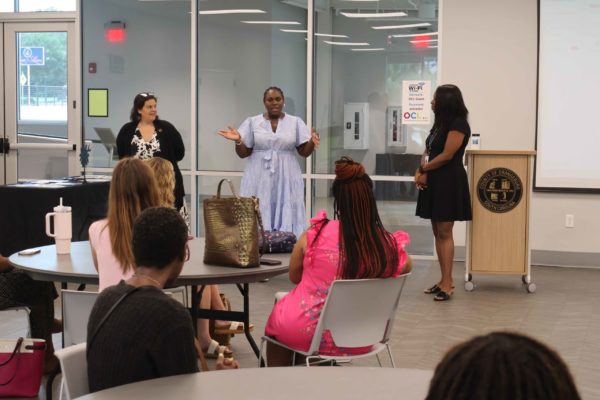
By: Chaunte’ Causey, Communications Manager, PCC
-
Applying Systems Thinking to Expanding Computer Ownership
-
Bridging Health & Technology
-
AI for All: Transforming Digital Skills Training & Navigation
-
AI Skills Are Digital Skills
-
Outputs vs. Impacts: Measuring Long-Term Success in Expanding Digital Access