All Posts By

Ramona Midkiff

Feds extend a telehealth rule that could help save more people from opioid overdoses

By News

By Kaitlyn Levinson, Route Fifty

States will continue to be able to leverage pandemic-era telehealth flexibilities this year following the federal government’s move to codify flexibilities on how health care providers can prescribe medication for treating substance use disorders.

As of Jan. 1, health care providers are able to prescribe buprenorphine, a medication used to treat opioid use disorders by reducing cravings and withdrawal symptoms, via telehealth for up to six months without requiring an in-person appointment. The rule builds upon pandemic-era flexibilities and was issued by the Drug Enforcement Administration and the Health and Human Services Department on Dec. 31, 2025.

The rule “makes it easier for people with an opioid use disorder to access treatment,” which is “a big deal because allowing patients to access addiction treatment remotely has had a huge impact on state efforts to connect people to treatment,” said Marcelo H. Fernández-Viña, who conducts law and policy analysis and research for the Substance Use Prevention and Treatment Initiative at Pew Charitable Trusts.

Between 2023 and 2024, for example, opioid overdose deaths decreased from 79,358 to 54,045 incidents following policy and programming efforts, such as distributing overdose-reversal medications, expanding the availability of drug checking and testing services and addressing cultural stigma toward substance use among policymakers and health care practitioners.

But substantial work remains to tackle Americans’ opioid use disorders, which telehealth can help further chip away at. Telehealth services, for instance, were linked to a 33% lower risk of a drug overdose among Medicare beneficiaries who received remote care during the pandemic, according to the U.S. Centers for Disease Control and Prevention.

The new rule also discontinues recordkeeping requirements for providers offering audio-only visits, a barrier that could otherwise deter the availability of telehealth options, according to a recent Pew article authored by Fernández-Viña.

Indeed, expanding the affordability and accessibility of telehealth services after other pandemic-era funding and policies have expired remains a priority for state leaders, according to a report released late last year from the Center for Connected Health Policy. A separate report also found that some telehealth patients still faced challenges accessing buprenorphine because pharmacists were skeptical of filling a telehealth-based prescription due to potential scrutiny.

Access to such care is critical for addressing the decadeslong opioid epidemic that has contributed to approximately 806,000 deaths since the 1990s. In 2017, the Health and Human Services Department declared the opioid crisis a public health emergency, which HHS Secretary Robert F. Kennedy, Jr. renewed in March 2025.

Less stringent rules surrounding telehealth and buprenorphine can help get more people to not only initiate treatment for an opioid use disorder, but also maintain it, said Nicole O’Donnell, a certified recovery specialist and director of Penn Medicine’s Center for Addiction Medicine and Policy virtual buprenorphine bridge clinic.

The continuation of addiction treatment is crucial, particularly for vulnerable populations, such as people who are involved in the criminal justice system or for whom telehealth is a low-cost alternative to in-person treatment, she explained.

Additionally, expanding telehealth access can help reduce the burden on emergency departments who are often understaffed and whose resources are stretched thin by helping prevent opioid-use incidents escalate into an overdose or death, which can snowball into significant public health costs, O’Donnell said.

“The federal government has removed a major barrier to treatment to access … and now there’s certainty around the future of telehealth,” Fernández-Viña said. “If we take all of that together, telehealth access to buprenorphine … can save lives, so that’s the really big impact that we’re seeing here.”

Mobile Telemedicine Boosts Rural Access to HCV Treatment

By News

By Devyani Gholap (Medscape.com)

TOPLINE:

Telemedicine-based treatment for hepatitis C virus (HCV) infection, delivered on a mobile van with syringe services, roughly doubled the rate of treatment initiation and significantly improved cure rates among rural people with chronic HCV infection and a history of injection drug use compared with enhanced usual care.

METHODOLOGY:

  • Researchers conducted a randomized clinical trial in three rural US counties to compare treatment for HCV infection delivered via mobile telemedicine vs enhanced usual care for participants with a history of injection drug use and chronic HCV infection.
  • A total of 150 participants (mean age, 38.1 years; 68.7% men) were randomly assigned (n = 75 each) to receive mobile telemedicine care or enhanced usual care.
  • Mobile telemedicine care consisted of a direct-acting antiviral treatment administered via telemedicine on a mobile van with on-demand syringe services; enhanced usual care involved treatment referral by a mobile van staff with care navigation to local clinicians.
  • The primary outcomes were the proportion of participants who initiated the direct-acting antiviral treatment, who achieved viral clearance at the 12-week follow-up, and who reported no sharing of syringes or other injection equipment at any follow‑up visit.
  • Follow‑up visits were scheduled at the end of treatment and up to 36 weeks afterward and included a self-reported survey and HCV RNA testing.

TAKEAWAY:

  • Overall, follow-up data were available for 79.3% of participants. The mobile telemedicine care group was more than twice as likely to initiate direct-acting antiviral treatment as the enhanced usual care group (relative risk [RR], 2.15; 95% CI, 1.41-3.28).
  • Viral clearance at the 12-week follow-up was significantly higher in the mobile telemedicine group than in the enhanced usual care group (RR, 2.00; 95% CI, 1.15-3.49).
  • No significant effect was observed on abstaining from sharing syringes or other injection equipment during follow-up.

IN PRACTICE:

“In aggregate, this emerging literature shows that telemedicine — whether facilitated through OTPs [opioid treatment programs], community-based peer interventions, or mobile vans — is a critical tool for lowering barriers to HCV treatment among people who use drugs,” experts wrote in an invited commentary accompanying the journal article.

SOURCE:

The study was led by Peter D. Friedmann, MD, MPH, University of Massachusetts Chan Medical School, Worcester, Massachusetts. It was published online on January 26, 2026, in JAMA Network Open.

LIMITATIONS:

The overlap in services, such as care navigation, harm‑reduction services, and vaccinations for hepatitis A and B viruses, likely reduced observed differences between the study groups. Because the study was not blinded, outcome assessments, particularly the self‑reported sharing of injection equipment, may have been biased. The van visited each site only once or twice weekly, which may have lowered follow‑up rates and affected the study outcomes.

DISCLOSURES:

The study was supported by the National Institute on Drug Abuse, CDC, and Substance Abuse and Mental Health Services Administration. Some authors reported receiving grants from these funders, one author reported receiving personal fees from Indivior for service on a scientific advisory board, and another reported serving as chief health officer of a private company subcontracted to deliver the telemedicine intervention and holding stock options.


Supreme Court Backs FCC Program That Helps Expand Rural Internet and Phone Access

By News

By: Chaunte’ Causey, Communications Manager, PCC

On June 27, 2025, the U.S. Supreme Court ruled in favor of a key FCC program that helps fund phone and internet service in rural, low-income, and underserved areas. The 6–3 decision keeps the Universal Service Fund (USF) in place—a major win for broadband access in communities like the ones PCC serves. (Read the original article from The Gazette)

What is the Universal Service Fund?

The USF is a fund the federal government uses to make sure people in all parts of the country—especially rural areas—can get access to phone and internet at an affordable rate. Telecom companies contribute to the fund and often pass the cost on to customers as a small line item on their phone bills. The funds support:

  • Rural homes and businesses
  • Tribal lands
  • Schools and libraries
  • Health clinics and telehealth programs

Why Did the Court Get Involved?

Some groups argued the FCC did not have the authority to collect these fees and give the money to the Universal Service Fund. They claimed it was an unconstitutional tax.
However, the Supreme Court disagreed, ruling that Congress had granted the FCC the authority to manage the program and that the process was lawful and necessary. (Read more from Reuters)

What This Means for Rural South Carolina

This ruling protects funding that helps people in rural areas stay connected to doctors, schools, and family. FCC Commissioner Anna Gomez said it best: ending the fund would hurt millions of Americans. However, she also suggested that Congress should explore ways to modernize the program. (Read More from TV Technology)

Why PCC Cares

As the nation’s leading broadband consortium aiding our healthcare providers across eleven states  Palmetto Care Connections serves communities that depend on adequate and reliable broadband access for telehealth, Education and other connected services.  The Supreme Court’s ruling protects critical funding that helps our most vulnerable and primarily underserved stay connected and accessing critical services they require. PCC will continue to advocate for practical solutions that strengthen connectivity across rural South Carolina and beyond.

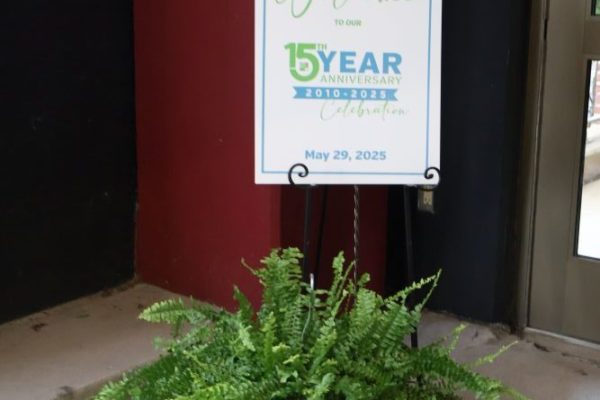
Palmetto Care Connections Celebrates 15 Years of Advancing Health Care Access in South Carolina

By News

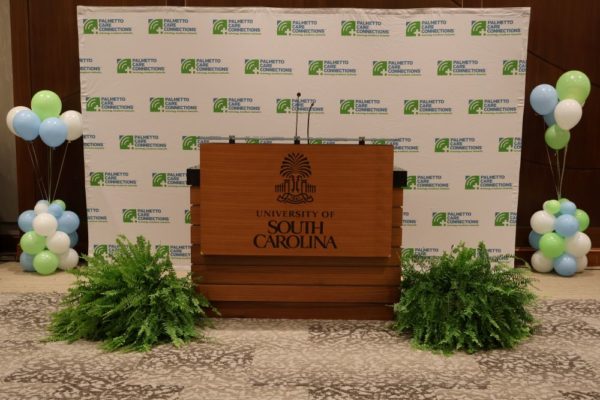
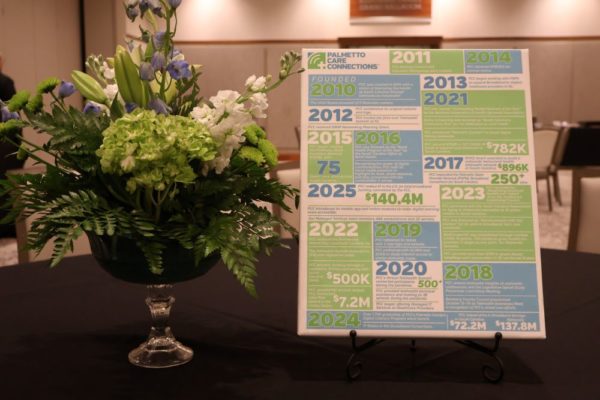
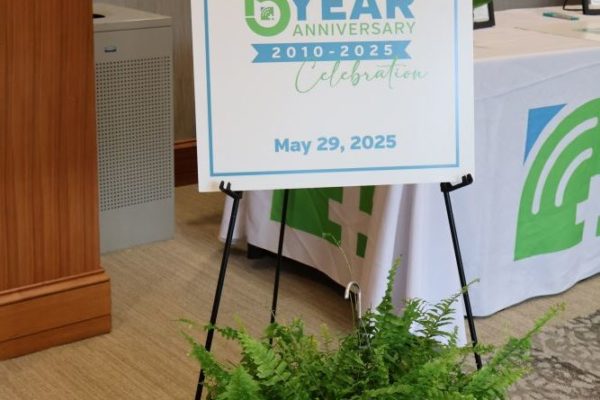
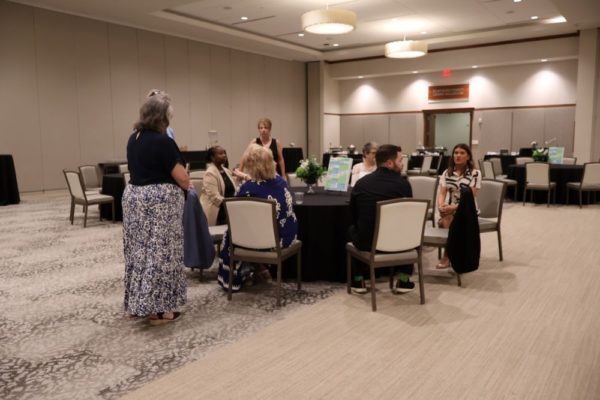
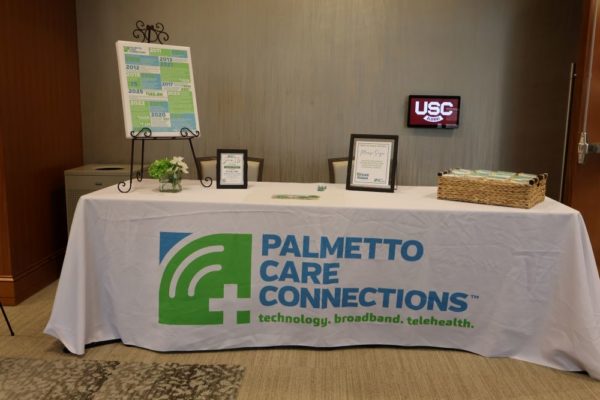
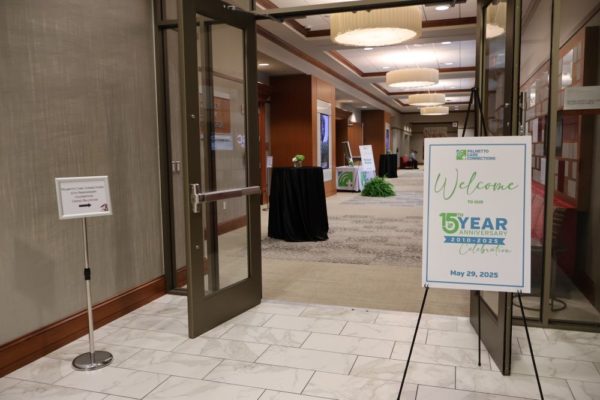
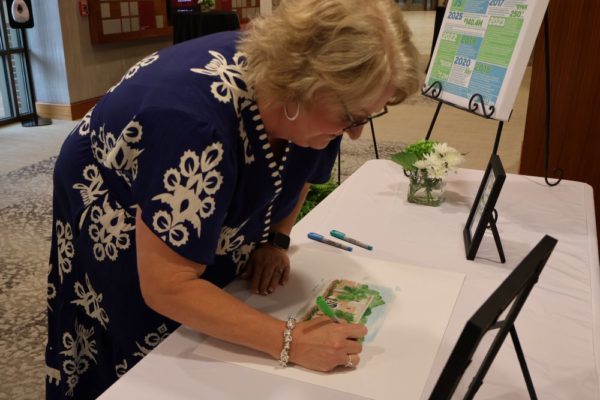
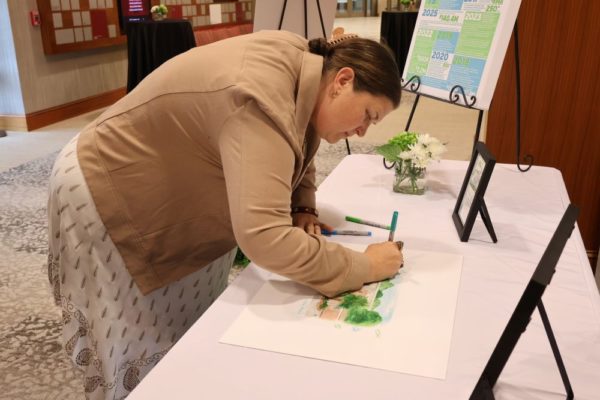
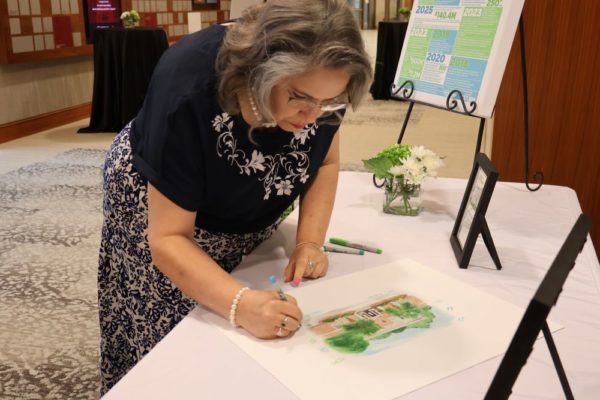
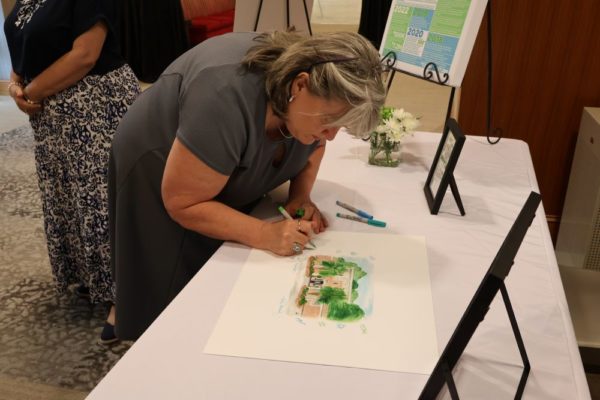
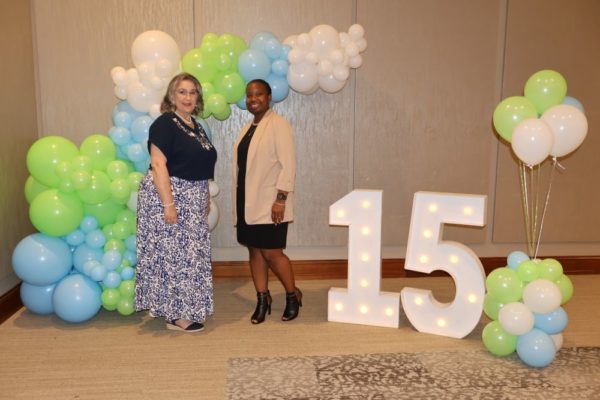
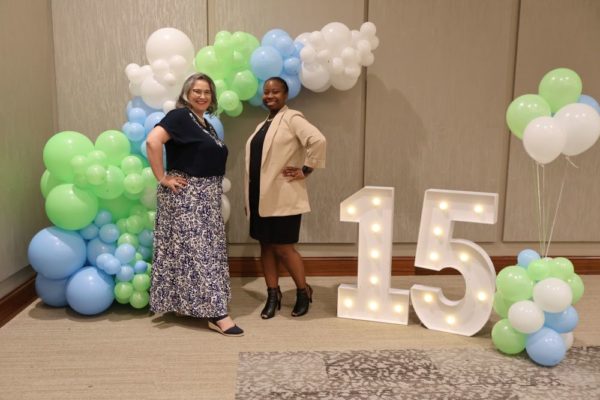
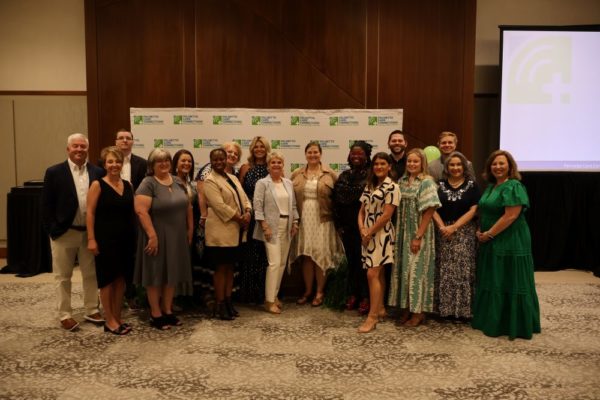
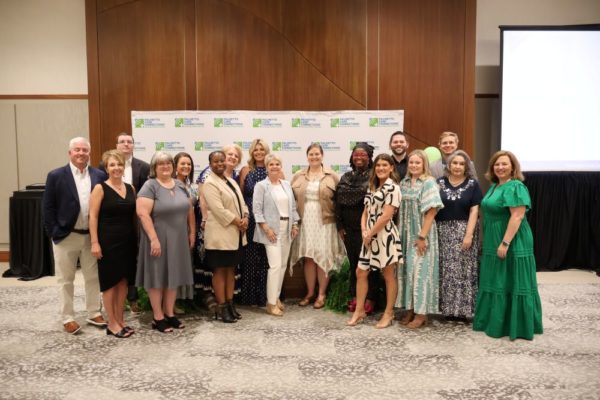
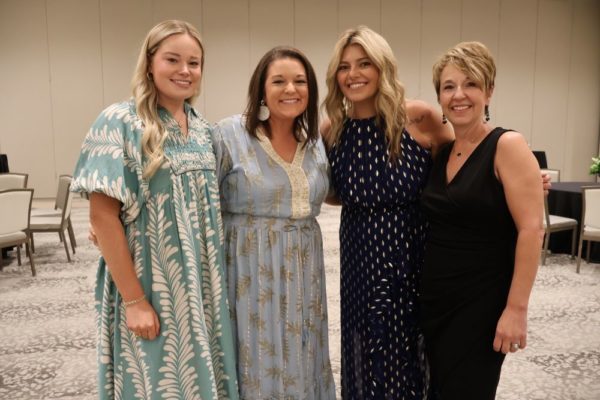
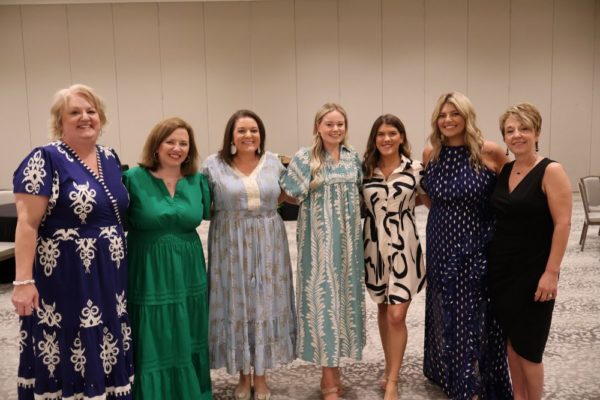
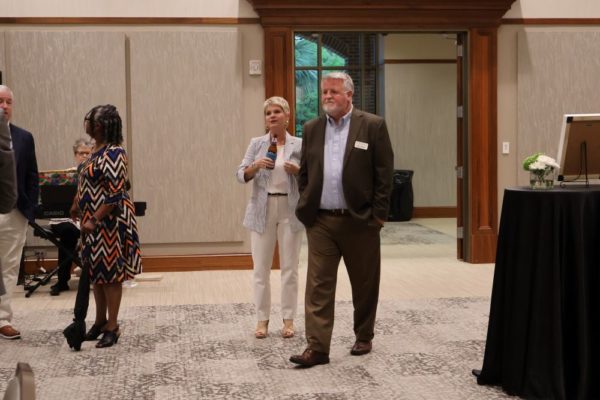
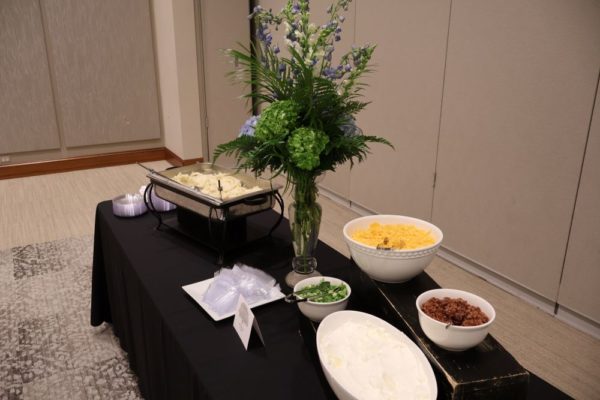
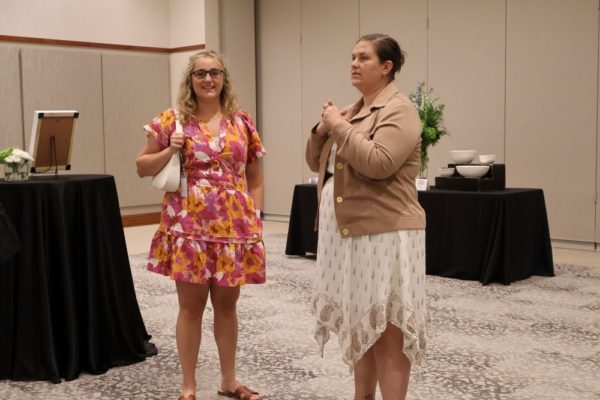
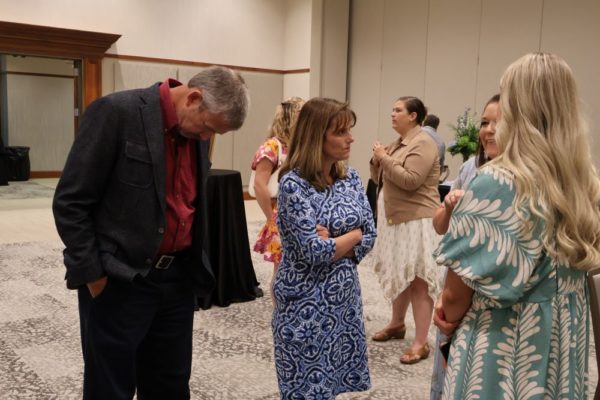
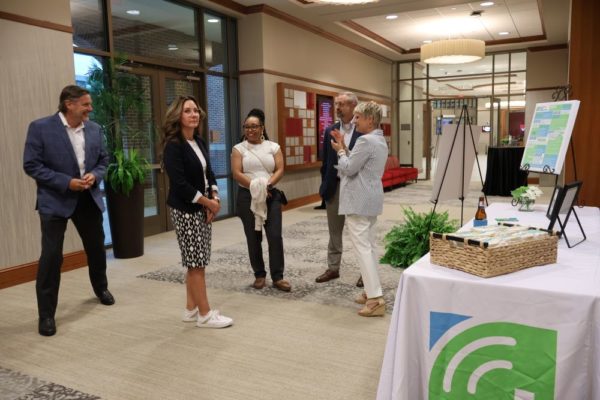
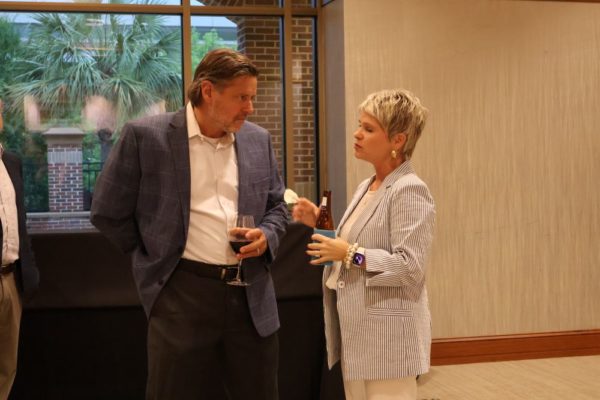
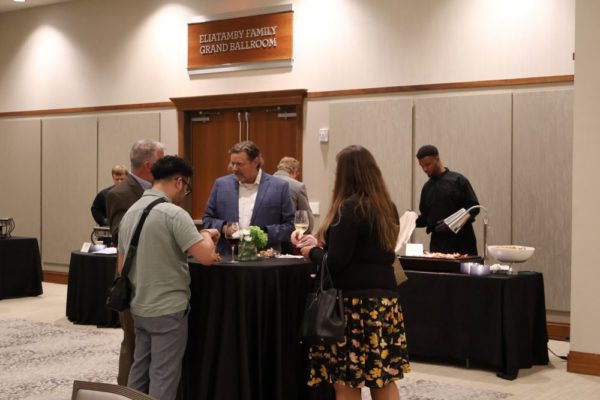
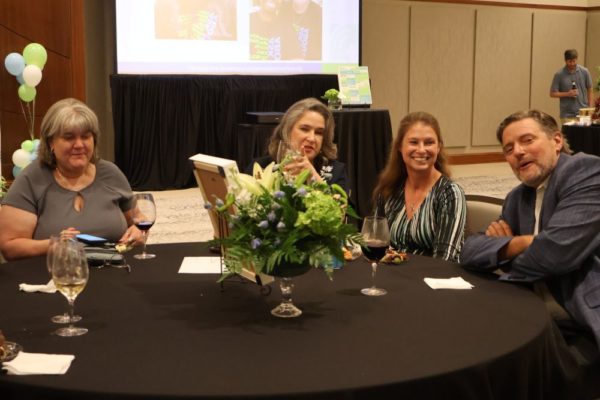
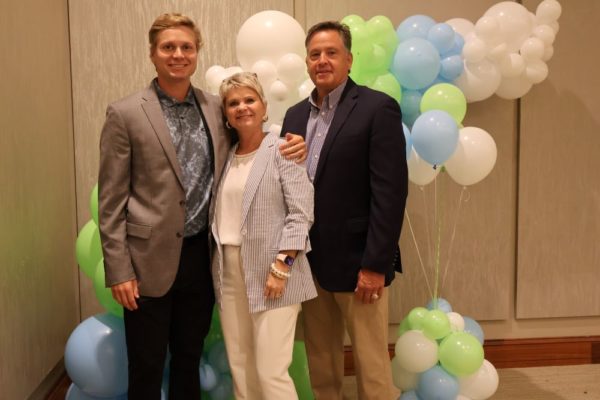
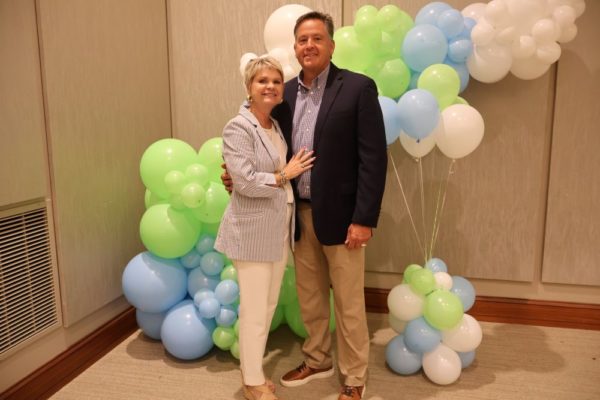
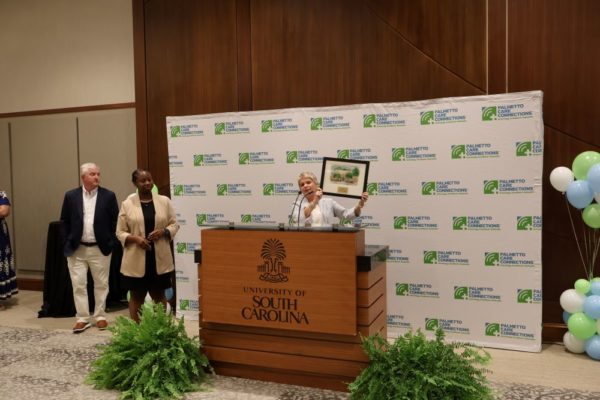
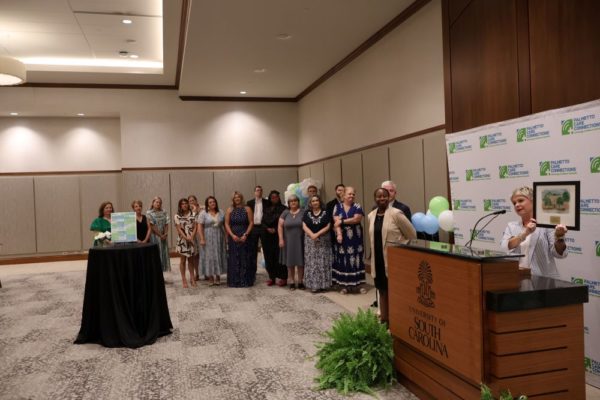
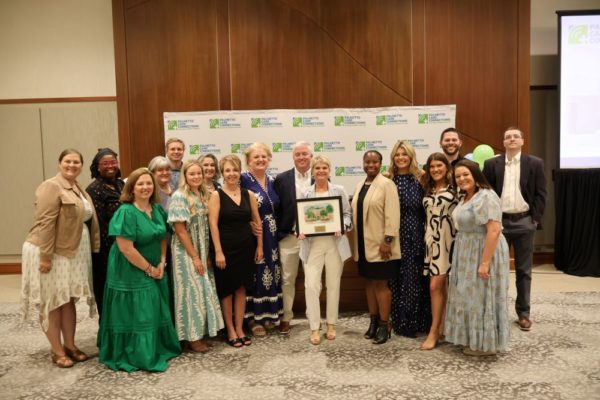
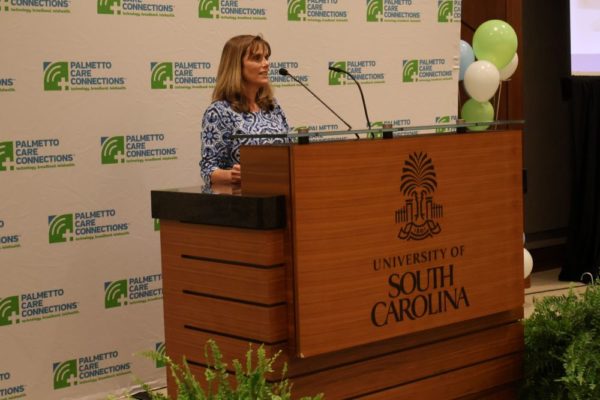
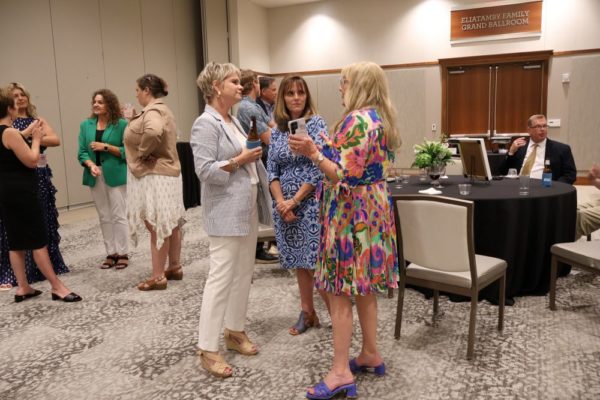
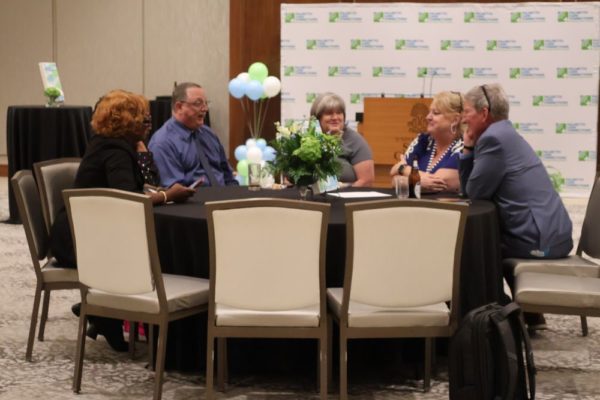
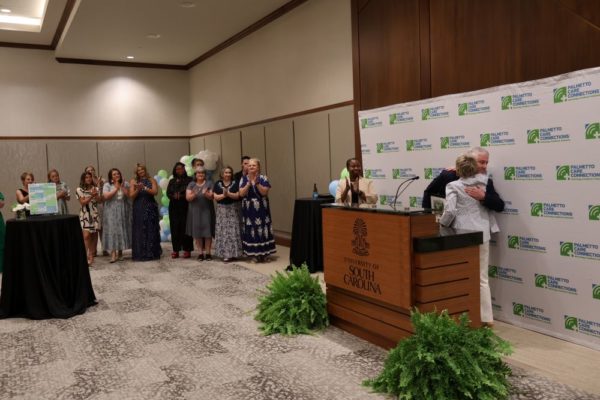
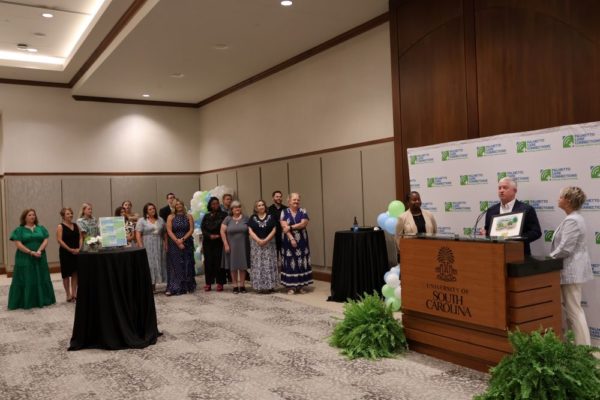
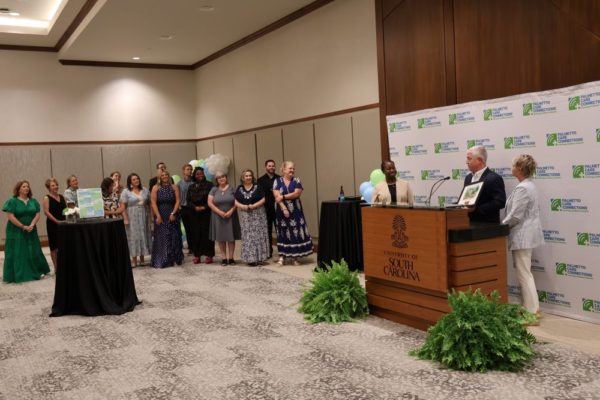
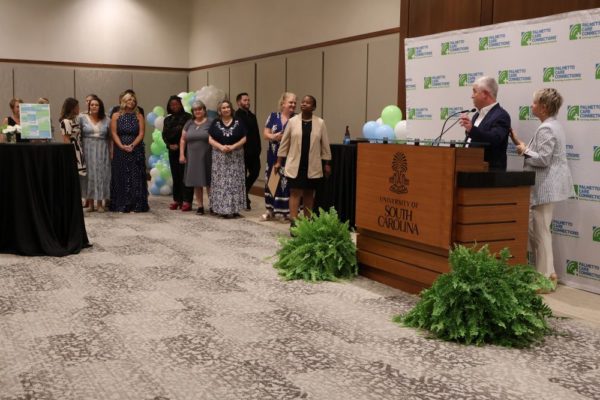
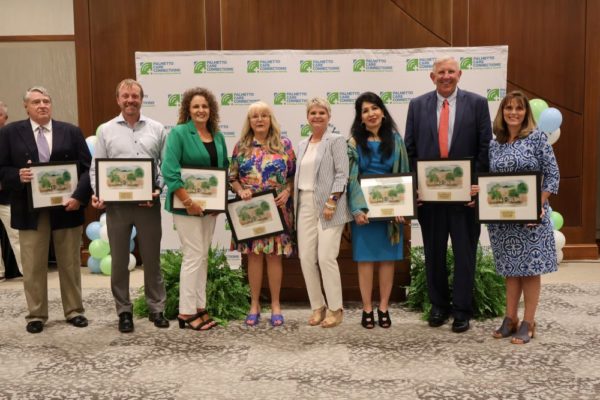
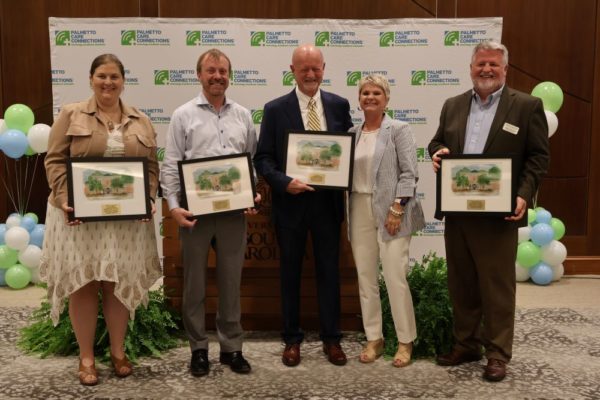
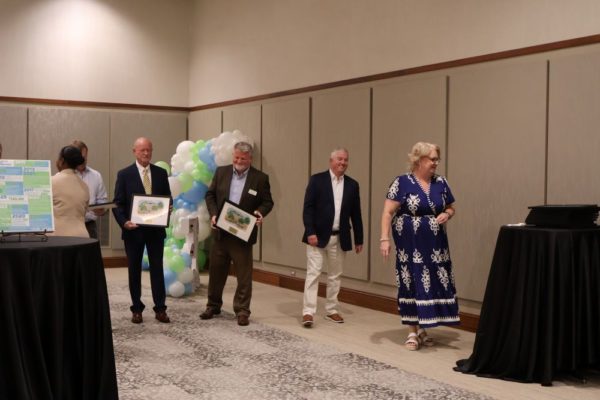
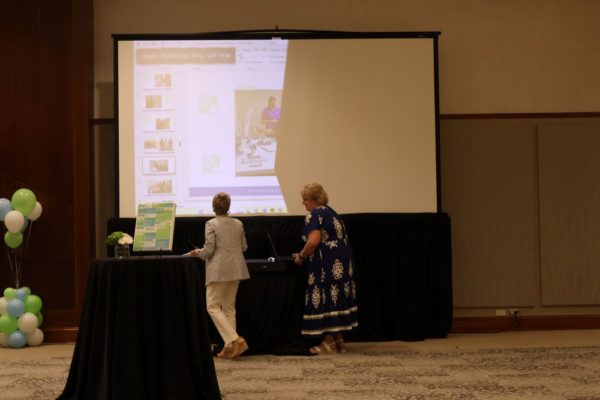
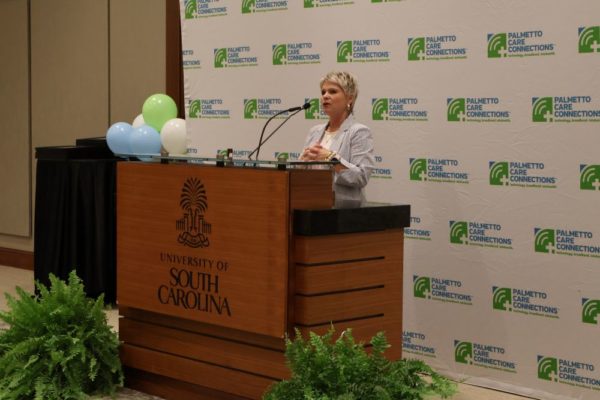
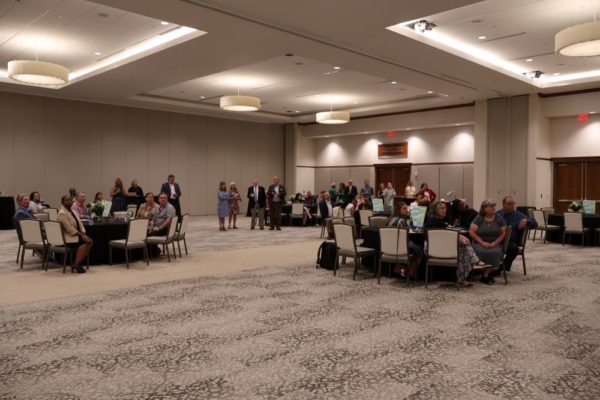
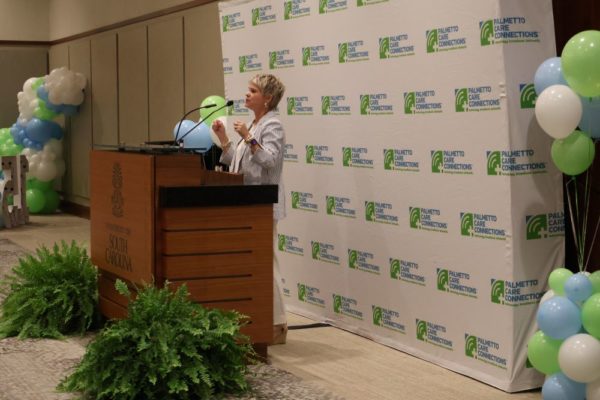
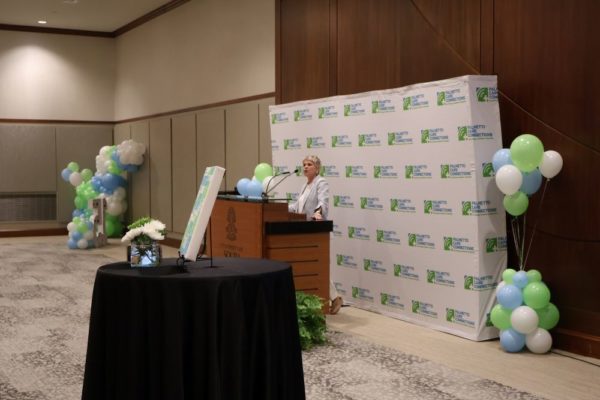
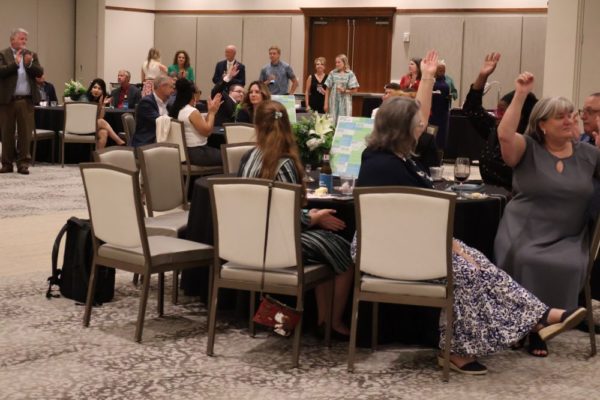
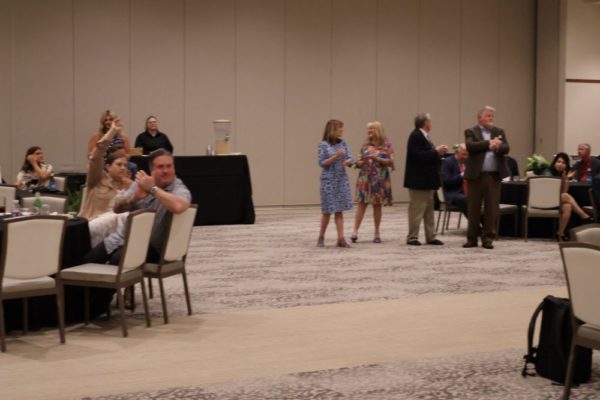
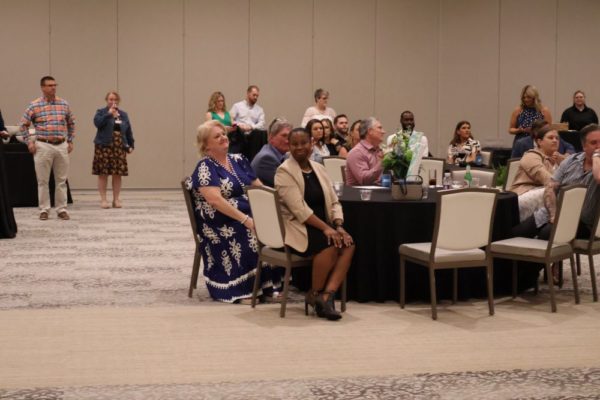
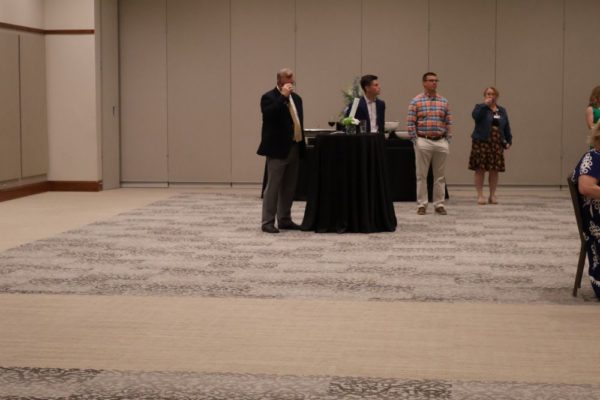
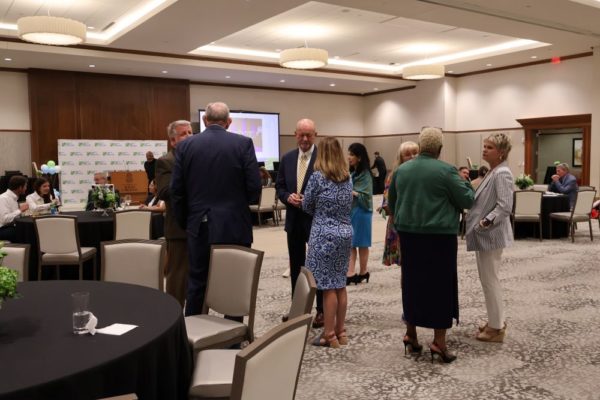
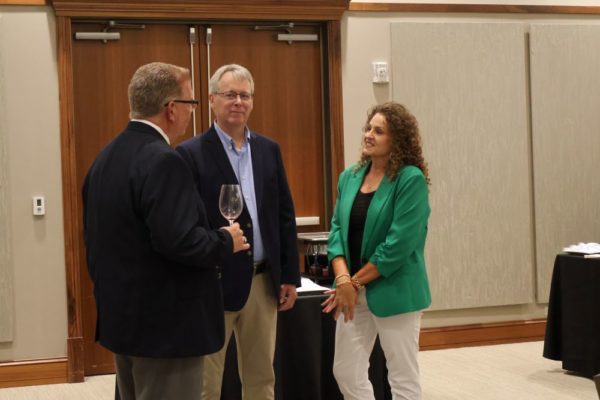
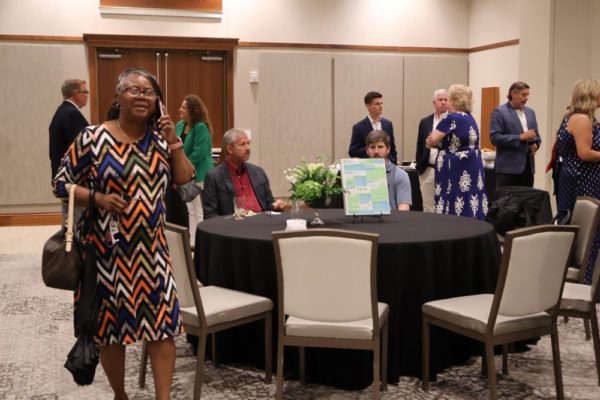
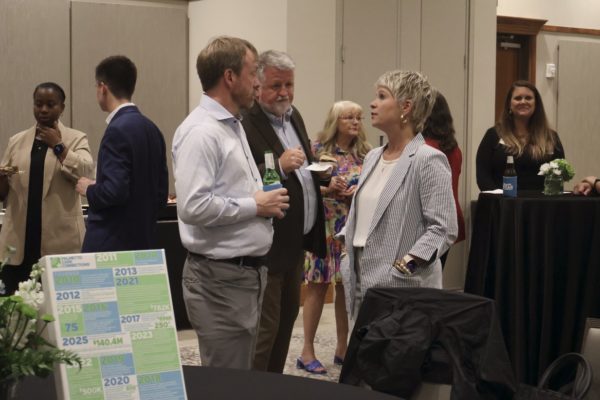
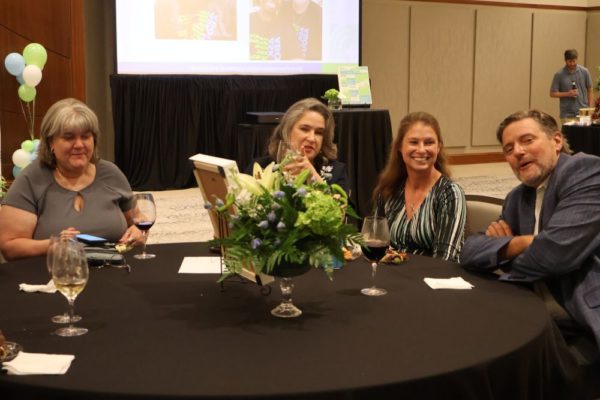
Columbia, S.C. — On Thursday, May 29, Palmetto Care Connections (PCC) celebrated a major milestone—15 years of bridging the gap between rural communities and health care through telehealth, technology, broadband, and education. The celebration was held at the Pastides Alumni Center on the campus of the University of South Carolina in Columbia, bringing together nearly 100 guests for an evening of gratitude, reflection, and recognition.

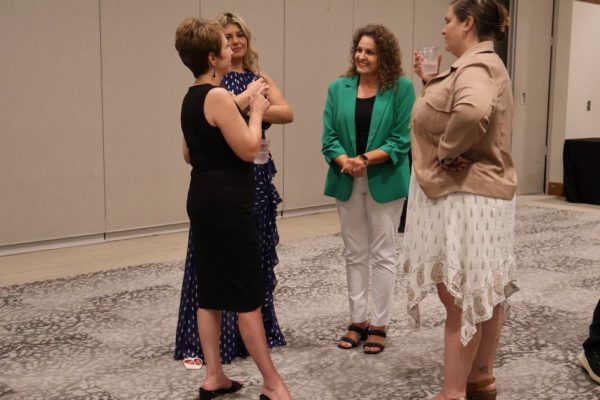
The event welcomed some of PCC’s original founding board members, current board members, community partners, and longtime supporters who have championed PCC’s mission since its beginning in 2010. Together, they honored the organization’s journey and celebrated the partnerships that have made statewide progress in telehealth and digital literacy possible.

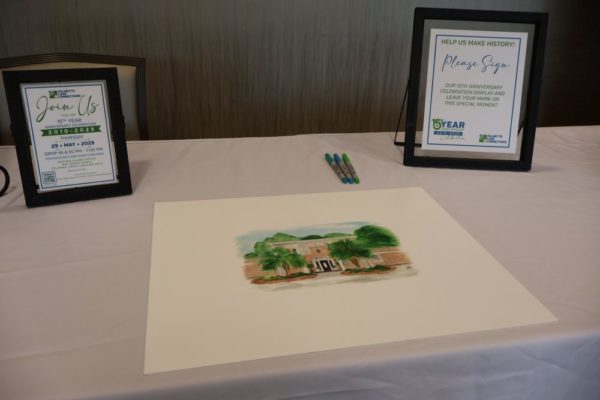
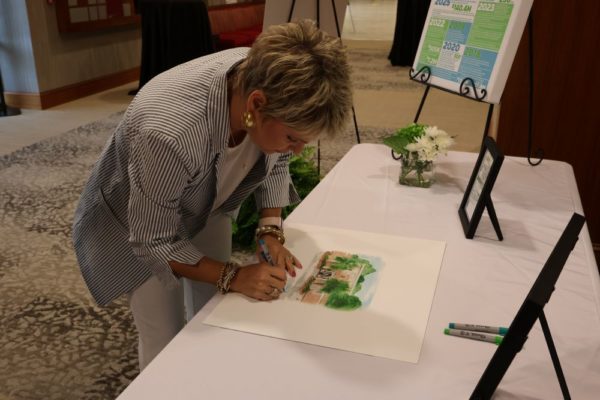
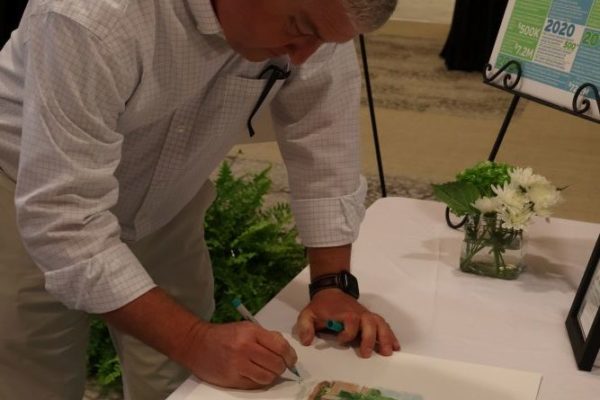
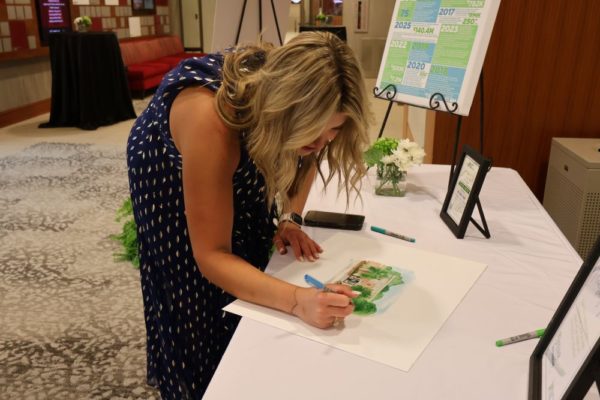
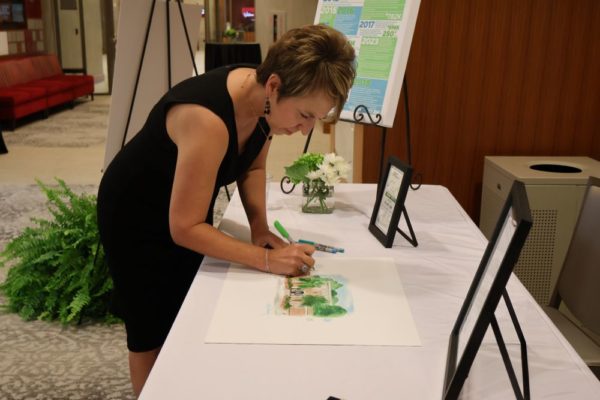
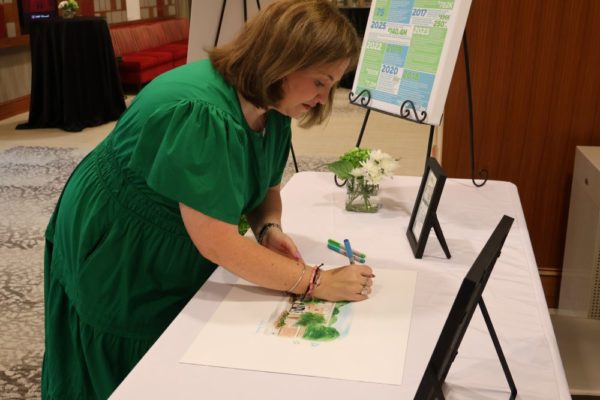
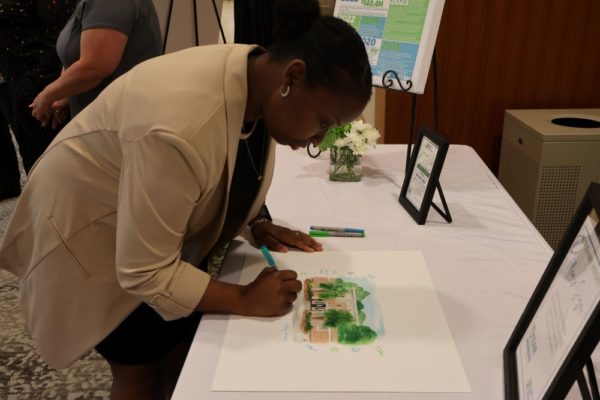
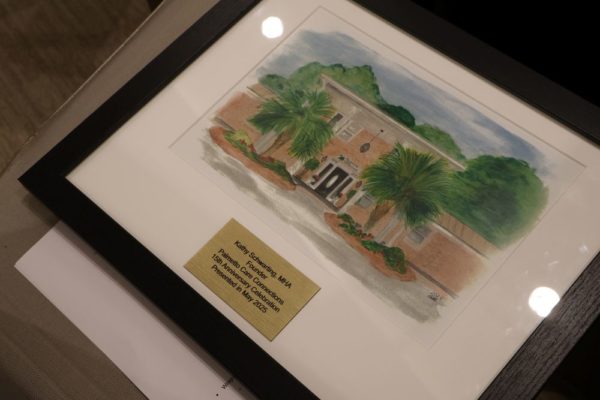
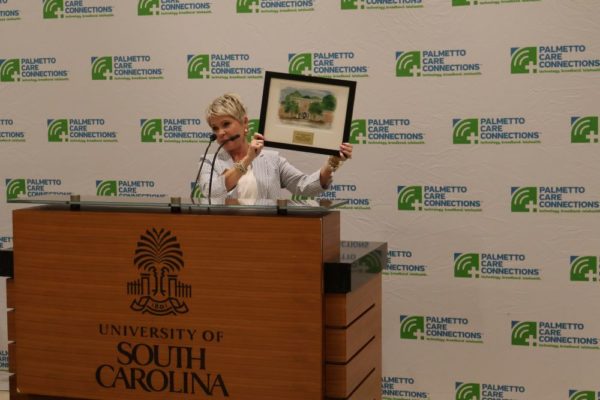
In recognition of their service, PCC board members were presented with commemorative watercolor paintings of the organization’s headquarters in Bamberg—each a meaningful symbol of PCC’s roots and continued growth. Lively conversation, heartfelt moments, and plenty of laughter filled the room as colleagues and friends reconnected and reflected on the impact of PCC’s work across South Carolina.

The event was a great reminder to everyone why PCC’s mission matters. From expanding broadband access to launching digital literacy classes and supporting rural providers with telehealth solutions, PCC’s accomplishments over the past 15 years are a testament to collaboration, innovation, and an unwavering commitment to improving health care access in rural and underserved communities.

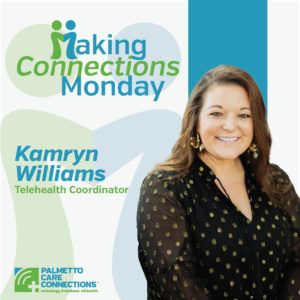
Making Connections: Meet Kamryn Williams, LPN

By News

Meet Kamryn Coker Williams, our Telehealth Coordinator specializing in Remote Patient Monitoring (RPM) at Palmetto Care Connections!

🩺 Kamryn’s role focuses on distributing and educating patients about advanced monitoring tools that help providers make the best decisions for treatment and health outcomes. She also works closely with patients and providers to support healthier lifestyles while assisting with other telehealth services PCC offers.

🤝 One of Kamryn’s proudest moments was helping with PCC’s Telehealth Summit just four months into her role, where she witnessed how a small team created such a successful event.

❤ After years with large corporate companies as an LPN, Kamryn knew PCC was different from her first call with our CEO, Kathy Schwarting. Kamryn says joining this close-knit, supportive work family has been a huge blessing ️.

🧡 For Kamryn, the most rewarding part of her job is building strong relationships with her RPM patients.

Inspired by the mantra, “Enjoy the little things in life because one day you’ll realize they were the big things,” Kamryn brings warmth and care to all she does.

🐕 Outside of work, Kamryn loves helping her dad and brother with their hunting dogs, providing vaccines, grooming, and plenty of TLC 🐾.

Making Connections: Meet Caroline Warren

By News

By Chaunte’ Causey, Communications Manager, PCC

Say hello to Caroline Warren, one of our amazing Telehealth Coordinators at Palmetto Care Connections!  

🏫 Caroline plays a vital role in school-based telehealth, working closely with school nurses and telehealth providers to bring healthcare access to local schools. 📡 She also helps place telehealth equipment in community spaces like Offices on Aging, libraries, and churches, while providing ongoing support for telehealth equipment. 

🌐 A memorable moment for Caroline was participating in the Digital Divide simulation at the 12th Annual PCC Telehealth Summit. She says the experience was eye-opening, highlighting the many challenges people face in a technology-driven world. 

💙 Caroline says she was inspired to join PCC because of its mission to provide access to healthcare for people across the state, regardless of where they live. The most rewarding part of her role is interacting with people of all ages and seeing how telehealth transforms lives firsthand. 

Guided by her favorite mantra, “Good things are coming,” Caroline approaches each day with optimism and purpose.  

🔍 Outside of work, she loves watching true crime shows and diving into fascinating cases.  

Thank you, Caroline, for your passion and dedication to making healthcare more accessible! 

#MakingConnections #MeetOurTeam #PalmettoCareConnections 

Making Connections: Meet Riley Van Coutren

By News

By Chaunte’ Causey, Communications Manager, PCC

Say hello to Riley Van Coutren, a dedicated Project Coordinator at Palmetto Care Connections!  

Riley plays a key role in maintaining and monitoring project plans for the Palmetto State Providers Network Consortium. From attending meetings 📝 and documenting important decisions to managing project deadlines⏳and facilitating discussions 🤝, Riley ensures that every project adheres to frameworks and meets its goals. 

🎓 One memorable moment in Riley’s journey at PCC was teaching a Digital Literacy class in Williamsburg County, where a participant later shared how the skills she learned helped her watch her grandson graduate college via Zoom. 

🌍 Riley was inspired to join PCC because of its commitment to creating positive change for communities across the state. 

🗣 The most rewarding part of Riley’s role is the collaborative environment, where every team member’s voice️ and ideas contribute to changing lives.  

A believer in the mantra “Change is the only constant,” Riley embraces growth and adaptability.  

✈️ Outside of work, Riley’s adventurous spirit shines through a love for traveling to new places and sampling unique cuisines 🍴 that can’t be found at home.  
Thank you, Riley, for your passion and dedication to making a difference! 

#MakingConnections #MeetOurTeam #PalmettoCareConnections 

PCC Leadership Meets with South Carolina Representative Jeff Bradley to Discuss Internet Safety and Technology Access

By News

Palmetto Care Connections (PCC) CEO Kathy Schwarting and Chief Technology Officer Matt Hiatt recently met with SC Rep. Jeff Bradley (R-Beaufort County), chairman of the South Carolina Senate’s Artificial Intelligence and Cybersecurity Committee. The meeting focused on PCC’s ongoing efforts to promote safe and accessible technology use across South Carolina.
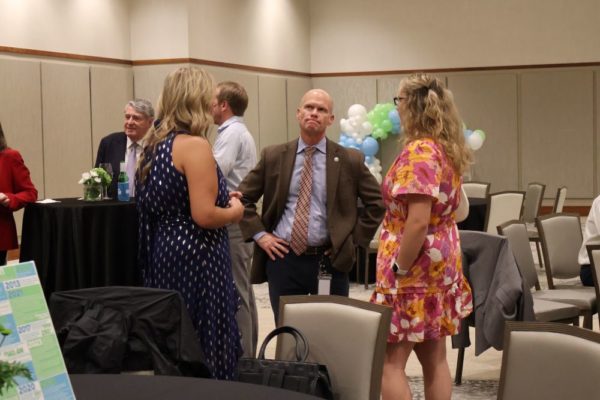
During the conversation, Schwarting and Hiatt shared an overview of PCC’s mobile app and introduced SC Rep. Bradley to the Internet Safety Module, an educational tool that teaches users how to protect themselves while navigating the online world. This free, user-friendly course offers practical tips on recognizing online scams, creating strong passwords, and understanding privacy settings—key skills for anyone using the internet today.

SC Rep. Bradley expressed interest in the module’s potential to help bridge the digital literacy gap, particularly in rural and underserved communities. As chairman of the Artificial Intelligence and Cybersecurity Committee, he emphasized the importance of proactive cybersecurity education and praised PCC’s work in this area.

To explore the Internet Safety Module, visit: https://learn.palmettocareconnections.org/005-internet-safety/

Making Connections: Meet Nicole Smoak

By News

By: Chaunte’ Causey, Communications Manager, PCC

Meet Nicole Smoak, our creative Digital Design Specialist at Palmetto Care Connections! Nicole designs E-Learning modules for the PCC website and mobile app 📱💻, helping learners navigate telehealth calls, access personal health records through MyChart, stay safe online, and more. Her work empowers individuals to confidently use digital tools to manage their healthcare and daily lives 🌐. 

A memorable moment for Nicole was attending her first in-person training class. Learning about the challenges participants face while using digital devices inspired her to create modules tailored to their needs, making technology more accessible and user-friendly 💡. 

Nicole was drawn to PCC by the opportunity to design E-Learning tools that truly make a difference. The most rewarding part of her role is hearing from participants about how the modules have helped and benefited them ❤️. 

Guided by her mantra, “Do your best and learn from your mistakes,” Nicole continuously grows and improves to provide the best resources possible. Outside of work, Nicole enjoys playing Diablo 4, a fantasy game where players battle monsters to stop the corruption of the land 🎮. Through gaming, she’s connected with people from New Zealand, New York, Maine, and even Paris 🌍! 

Thank you, Nicole, for your dedication to making technology easier for everyone! 

#MakingConnections #MeetOurTeam #PalmettoCareConnections 

Allendale County Residents Gain Valuable Tech Skills at PCC Digital Literacy Class

By News

By: Chaunte’ Causey, Communications Manager, PCC

Twenty-two Allendale County residents took a meaningful step toward greater digital access on Friday, April 4, during a Digital Literacy Class hosted by Palmetto Care Connections (PCC) at the Allendale County Leisure Center in the town of Fairfax. The class was made possible through funding from the South Carolina Telehealth Alliance (SCTA).

Before the training began, Dewan Smith, Director of the Allendale County Office on Aging, welcomed participants and emphasized the importance of PCC’s programs in rural communities. He spoke about the strong partnership between the center and PCC and encouraged attendees to take full advantage of the telehealth cart located at the facility.

Led by PCC Digital Literacy Manager Ashley Parra, the class covered essential computer and internet skills to help participants navigate today’s digital world. From sending an email to learning how to safely browse the internet and connect with healthcare providers via telehealth, the session was packed with practical, easy-to-follow instructions.

“Many of our participants came in unsure of how to use a computer or smartphone but left with new confidence and a stronger understanding of how to take advantage of digital resources,” said Parra.

For communities like Fairfax—where access to high-speed internet and digital devices can be limited—PCC’s efforts continue to play a critical role in closing the digital divide. The class also helped participants understand how telehealth services can improve access to care, especially in areas where healthcare options may be scarce.

PCC’s Digital Literacy Program continues to expand its reach across South Carolina, equipping residents with the skills they need to connect, communicate, and care for their health more effectively.